USAID Aid Impact: How Funding Cuts Hurt Afghanistan’s Women and Communities
The USAID aid impact is now visible across many countries. However, Afghanistan feels it the most. The cuts have strained essential programs that once supported health, education, and food security. As a result, Afghan women and girls face even greater vulnerability.
A Global Shift With Local Consequences
For decades, USAID delivered large-scale humanitarian support. It invested billions in health and emergency programs worldwide. Its efforts saved lives in Congo, supported Ukraine during conflict, and helped curb global HIV infections.
In March 2025, the U.S. administration moved to cancel almost 83% of USAID programs. Therefore, thousands of projects closed, while a smaller number shifted to the State Department. The decision reshaped the global humanitarian landscape overnight.
Afghanistan Feels the Strain
The United States had been Afghanistan’s largest humanitarian donor. In 2024 alone, it contributed over $700 million, which supported millions of people. Women made up nearly one-third of those beneficiaries.
In 2025, the suspension of $562 million created a massive gap. It affected education, healthcare, and emergency preparedness. The pressure on women increased, especially as their public freedoms had already shrunk.
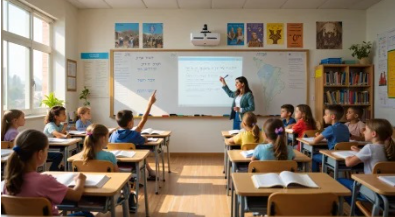
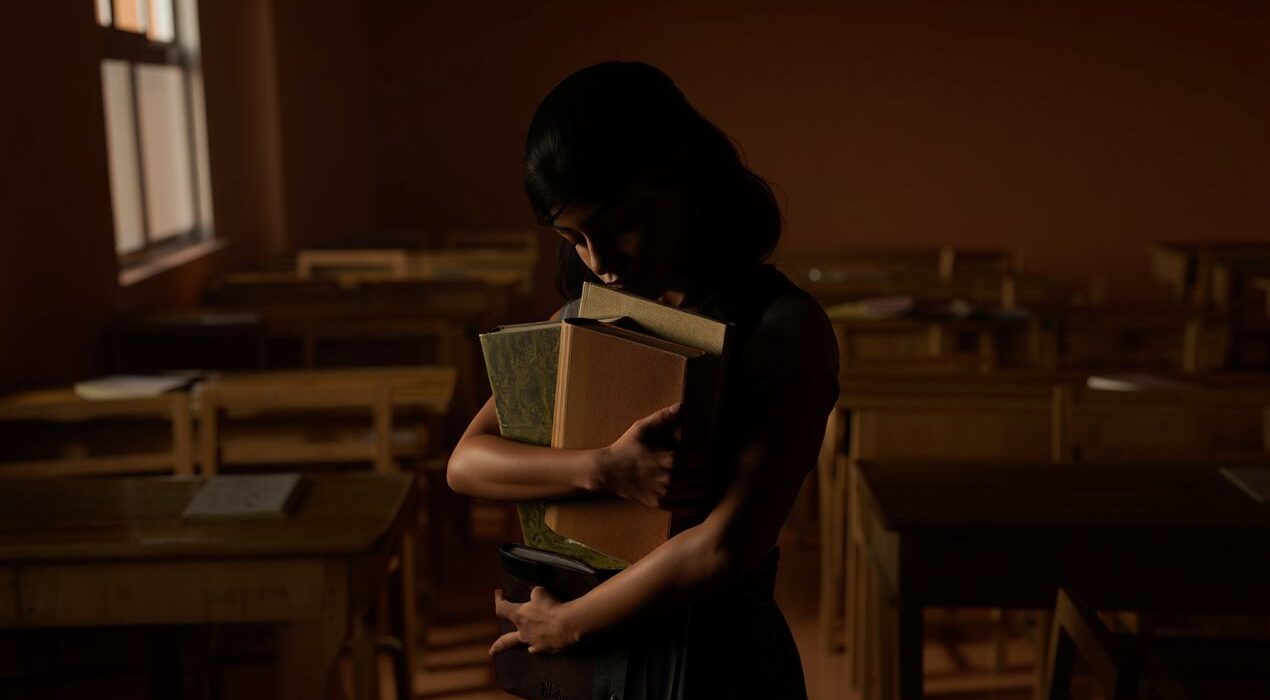
Education suffered first. The Taliban had already blocked schooling for most girls beyond primary grades. This ban prevented more than two million learners from continuing their studies. According to UNESCO, the long-term economic loss may reach $10 billion. Online and underground learning efforts also struggled after funding ended.
Healthcare faced similar setbacks. UNFPA warned that half of its supported clinics might close. Afghanistan already sees a maternal death every two hours. Without steady care, millions of women and children may lose lifesaving support.
Food insecurity deepened as well. Aid cuts reduced famine-prevention programs, leaving families with fewer options. Many women now rely on unsafe coping strategies, which increases long-term risks.
Signs of Hope
However, some initiatives continue. U.N. Women and Japan support women’s leadership and financial access. UNDP programs also create jobs and help women build small businesses. These efforts offer a path forward as communities rebuild.