Arab Education Emergencies: UNESCO Adopts New 2025–2030 Framework
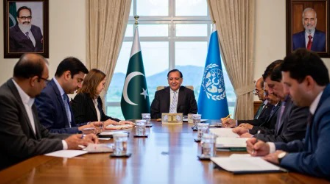
The new framework for Arab education emergencies has taken a major step forward. UNESCO adopted the Strategic Framework for Education in Emergencies in the Arab Region 2025–2030 during a regional meeting held in Beirut. Syria joined other countries at the event, which brought together experts and officials for two days of discussion and planning.
A Regional Plan for Crisis Learning
During the meeting, representatives reviewed the vision behind the new roadmap. They explored priority areas that focus on strengthening learning during crises. Participants also discussed the practical steps needed to turn these plans into action. As a result, the gathering created a shared understanding of the challenges facing young people affected by conflict, instability, and displacement.
Speakers highlighted that crisis-related learning support remains urgent across the region. They stressed the importance of political commitment and steady funding. In addition, they called for stronger technical cooperation to help governments and partners respond quickly during emergencies.
Strengthening Access and Coordination
Participants urged closer coordination among national and international groups. They noted that millions of young learners still struggle to continue their studies during difficult situations. According to several experts, reliable systems can protect their right to learn, even under extreme pressure. Therefore, the new framework aims to link partners, resources, and strategies in a more effective way.
Syria’s delegation included officials from the Ministry of Education and specialists working in early childhood development. Their participation reflected the country’s interest in regional collaboration and long-term improvement.
Earlier on October 30, UNESCO held the 43rd session of its General Conference in Uzbekistan. Syria also took part in that global meeting, which explored broader issues connected to learning, culture, and community development