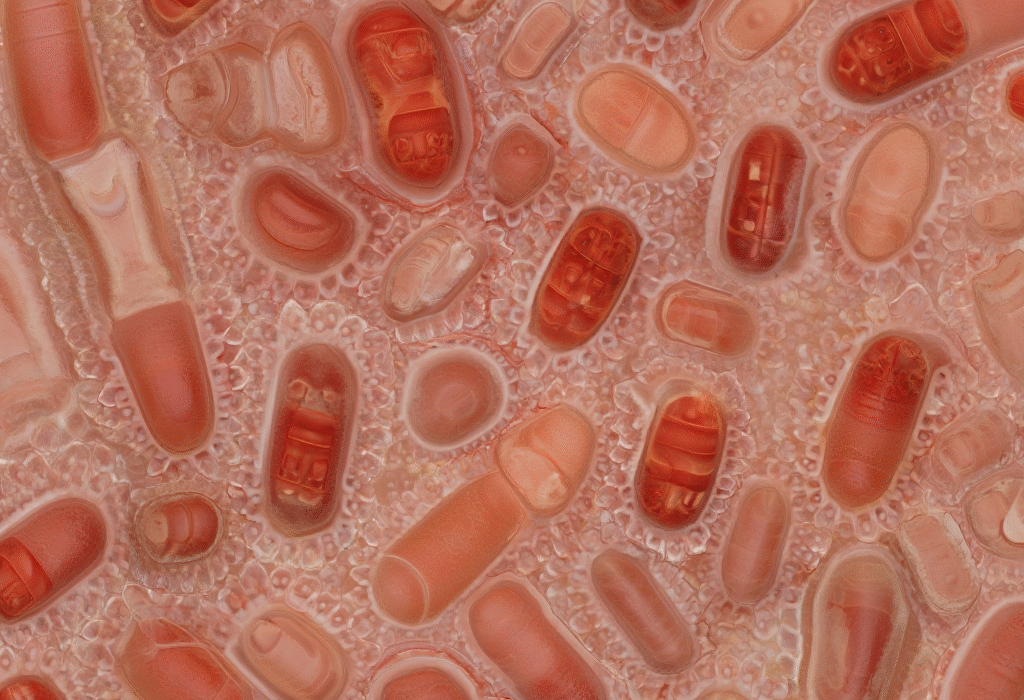
Scientists are uncovering a surprising link between oral bacteria and heart disease. A new study shows that common mouth microbes, particularly viridans streptococci, can hide inside artery walls, forming biofilms that shield them from the immune system. These bacteria, normally harmless in the mouth, were detected in over half of artery plaque samples from patients who died suddenly or underwent surgery. Researchers found that while the bacteria remain dormant inside stable plaques, once they disperse, they can trigger strong immune responses. This inflammation weakens the protective cap of the plaque, raising the risk of rupture—a key event behind heart attacks and strokes. The findings suggest that poor dental health may play a bigger role in cardiovascular disease than previously thought. By fueling chronic inflammation, oral bacteria could help transform stable plaques into dangerous, rupture-prone ones, opening new doors for prevention and treatment strategies.
”Oral Bacteria Found in Artery Plaques May Trigger Heart Attacks, Study Shows”