Negros Island Becomes Philippines’ First Slow Food Travel Destination Launching Sustainable Tourism
Slow Food and the Department of Tourism (DOT) proudly announce a new launch. This launch establishes the country’s first Slow Food Travel Destination. Negros Island holds this pioneering distinction immediately. This initiative marks a major milestone successfully. It promotes sustainable gastronomic tourism across Asia. The project lays a foundation for future growth effectively. It aims for a growing national and international network of slow food experiences.
Tailored Journeys and Community Empowerment
Negros Island is known as the Organic Capital of the Philippines. It features fertile volcanic soils prominently. It also boasts rich marine ecosystems and heirloom ingredients. Visitors move beyond typical sightseeing immediately. They immerse themselves in the stories, people, and landscapes instead. These elements give life to the island’s extraordinary biodiversity effectively. Paolo Di Croce, General Director of Slow Food, shared his vision. He commented, “Slow Food Travel offers visitors not just a taste of a place, but an encounter with the people who preserve its identity.”
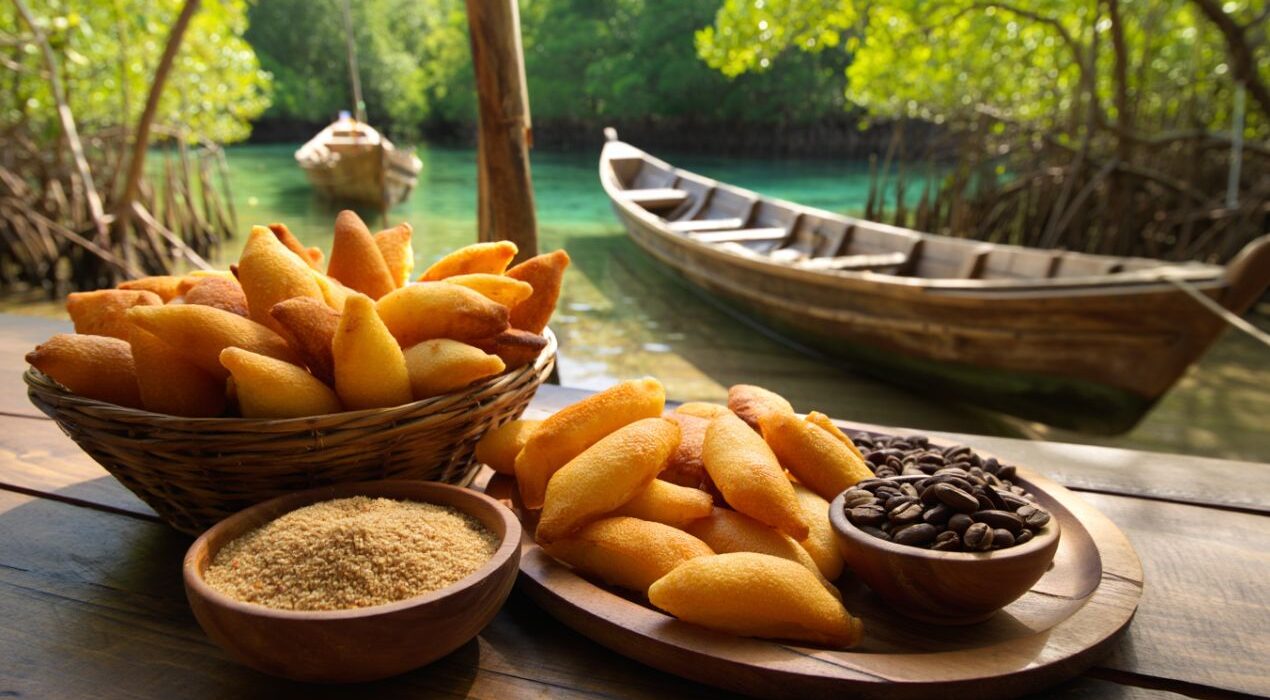
The new destination allows visitors to build personalized itineraries easily. These journeys root in their specific interests. Travelers explore organic farming, fishing, and traditional cooking. They actively focus on biodiversity conservation and cultural heritage. Every experience offers a direct connection immediately. They meet farmers, artisans, and cooks who preserve the island’s culinary identity successfully. Visitors participate in planting mangroves, cacao, and coffee beans actively.
A New Model for Sustainable Tourism
Slow Food Travel Destination promotes a new form of tourism. This model roots in meeting local producers directly. It emphasizes learning traditions and experiencing food at its source consistently. Travelers gain an intimate understanding of local identity and culture quickly. Hospitality is offered directly by local partners. These partners commit to serving “good, clean, and fair” ingredients only.
Secretary of Tourism, Christina Frasco, expressed national pride. She added, “This initiative reflects our commitment to developing tourism that uplifts communities.” The partnership highlights food biodiversity and empowers local producers immediately. This positions the Philippines as a global destination for regenerative tourism successfully. The long-term partnership aims for sustained growth in food and gastronomy tourism.