Liver Cancer Blood Test Detects Recurrence Early
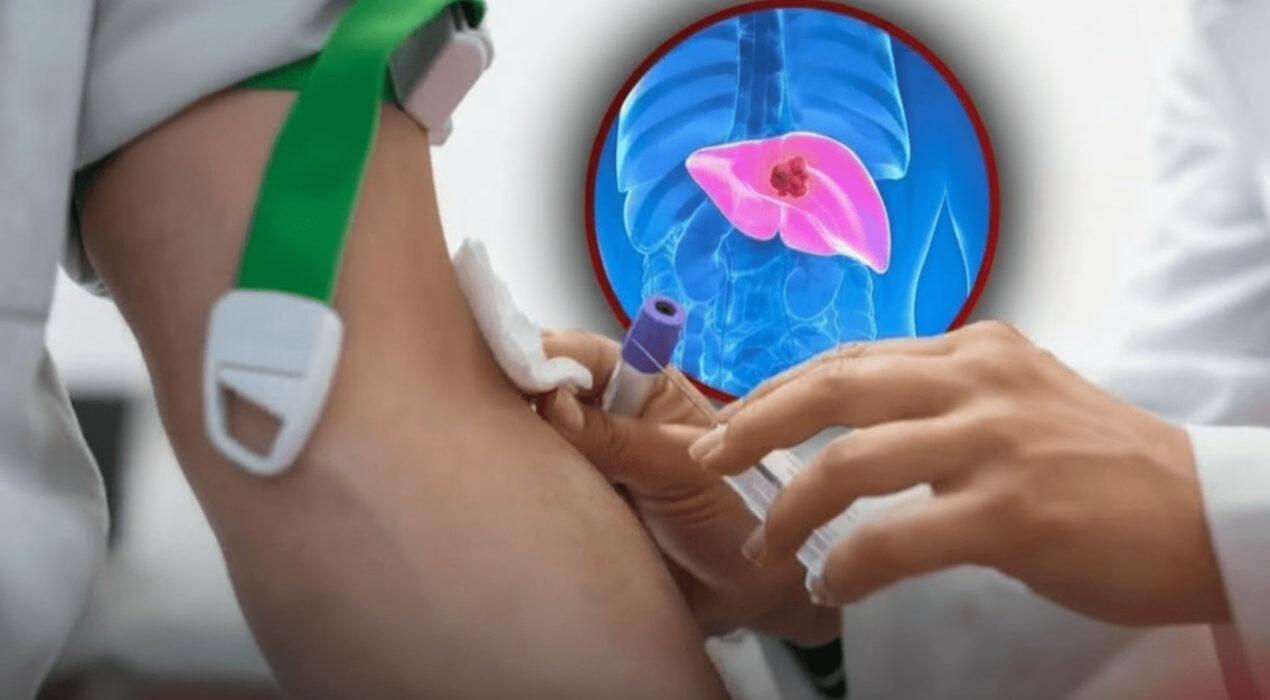
Researchers at Curtin University have developed a liver cancer blood test that may change how recurrence is detected. The test measures tumour-specific circulating DNA (ctDNA) in the bloodstream. As a result, it can identify returning cancer earlier and more accurately than traditional imaging methods.
The LIVER-Trace project, led by Dr Rodrigo Carlessi at Curtin Medical Research Institute, received nearly AUD 500,000 from the Innovation Seed Fund 2024–25 program. This funding supports clinical validation and scaling of the test over the next two years. The technology promises easier access, especially for patients in rural or regional areas where MRI and CT scans are costly or unavailable.
Precision Health Breakthrough
Liver cancer has a high risk of recurrence even after successful treatment. Current follow-up relies mainly on MRI and CT scans, which may miss small tumours. The LIVER-Trace test overcomes these challenges by detecting ctDNA, allowing for precision monitoring with greater sensitivity.
Dr Carlessi explained that earlier detection enables timely medical intervention and improved survival rates. The test uses a small plasma sample, making frequent monitoring possible, even in resource-limited settings. In a pilot study, it successfully detected residual tumour DNA after surgery, even when MRI scans showed no disease. It also identified recurrence in patients without radiological confirmation.
Global Potential and Next Steps
The simplicity and scalability of the test make it suitable for national and international adoption. Curtin University Deputy Vice-Chancellor Research, Professor Melinda Fitzgerald, said the project positions the university at the forefront of liver cancer diagnostics. The next phase will involve testing a larger patient group to confirm effectiveness.
This innovation offers hope for millions of liver cancer patients, improving early detection, treatment outcomes, and survival worldwide.