Scientists Uncover How Rabies Virus Hijacks Human Cells
Scientists have finally uncovered how the rabies virus takes over human cells. The discovery offers a fresh look at how dangerous viruses use limited genetic material. As a result, it may guide new treatments and vaccines.Researchers from Monash University and the University of Melbourne led the study. Their work, published in Nature Communications, explains how the virus controls many cell functions using only a handful of proteins.
A Clever Strategy Hidden in a Single Protein
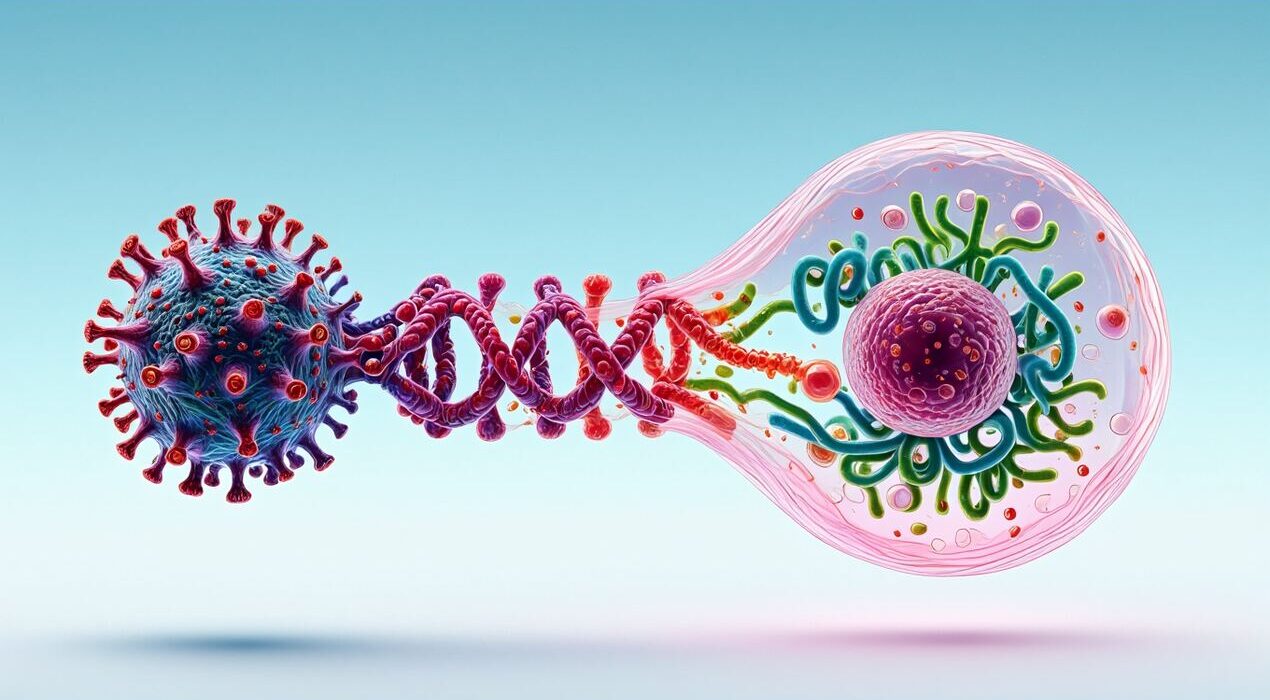
The team found that rabies uses a shape-shifting protein called P protein. This protein binds to RNA and helps the virus access important cell systems. In addition, it allows the virus to disrupt essential cell processes, including communication and immunity.Experts believe other deadly viruses, such as Nipah and Ebola, may rely on similar tactics. Therefore, this discovery could help scientists design antivirals that block shared viral strategies.
Why Viruses Are So Effective
Rabies has only five proteins, yet it affects nearly every part of an infected cell. According to the researchers, the P protein can switch between different physical “phases.” This flexibility lets it enter liquid-like compartments inside cells and take control.The protein’s ability to change shape gives it multiple roles. For example, it can shut down immune defenses or help the virus reproduce more efficiently. This adaptability explains why some short viral proteins gain new functions instead of losing them.
A New Way to Look at Viral Proteins
The study challenges old ideas about viral design. It shows that viral proteins can act like multitools rather than simple modules. In addition, it highlights how flexible proteins may help viruses evolve quickly.Researchers say this insight could inspire new vaccines and treatments. Understanding how these proteins work brings science one step closer to stopping deadly viruses.