Experts Praise Pakistan’s Withdrawal of EDS for Export Growth
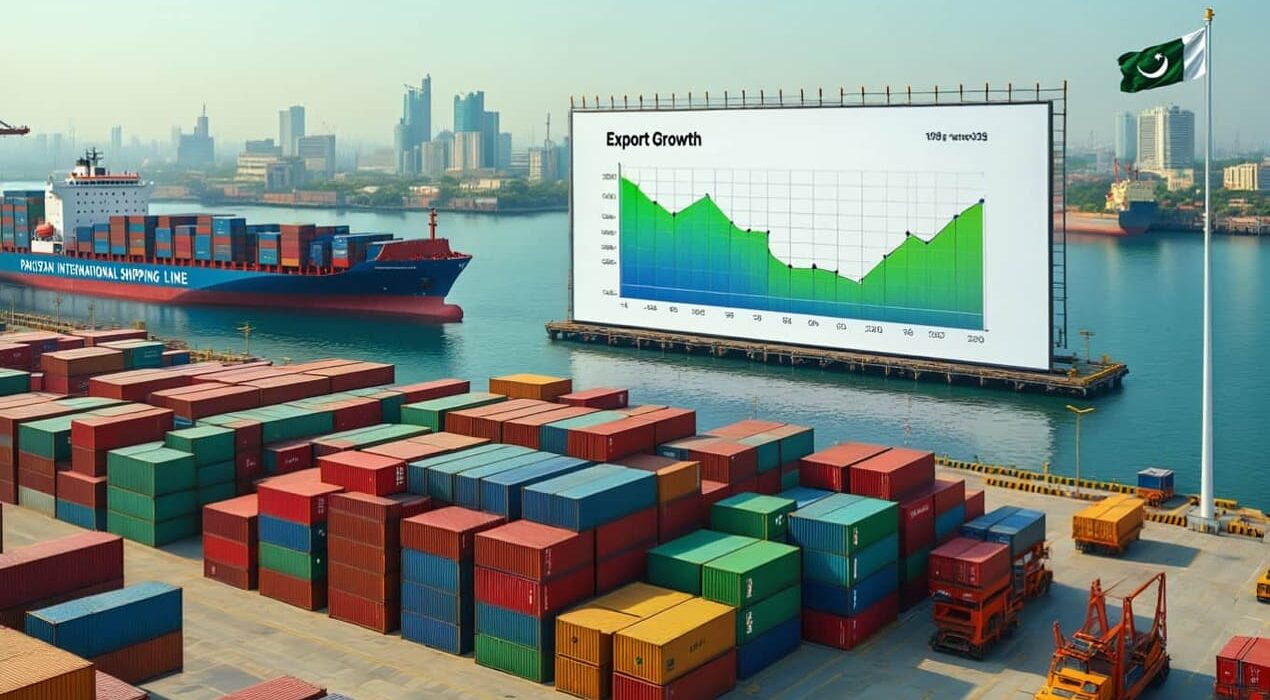
Experts have hailed the government’s move to withdraw the 0.25% Export Development Surcharge (EDS). They believe this step supports Pakistan export growth and strengthens competitiveness in global markets. The decision arrives at a time when exporters face rising costs and shrinking profit margins.
Waqas Ghani, Head of Research at JS Global, called the measure “a relief for exporters.” He said that while the fiscal impact is small, the symbolic message is powerful. “It shows that policy is finally moving toward export-led growth,” he explained.
He added that this shift must align with broader trade reforms. For example, simplifying export procedures and reducing business costs can help sustain momentum.
Policy Shift Toward Growth
The government made the decision during a high-level meeting led by Prime Minister Shehbaz Sharif. Experts and business leaders also attended the session. The prime minister had earlier formed a special Working Group on EDS, chaired by Musadaq Zulqarnain, to review the Export Development Fund (EDF) and suggest reforms.
Following the meeting, the PM directed the creation of an interim steering committee. The group, led by private sector members, will oversee the use of Rs52 billion available in the EDF. This move aims to ensure transparency and effective fund utilization.
Musadaq Zulqarnain, also CEO of Interloop Limited, welcomed the change. He described it as “a much needed relief for the export sector.” He thanked the prime minister for acting swiftly on the Working Group’s recommendations.
Exporters across industries shared similar views. Khurram Mukhtar, CEO of Sadaqat Limited and Chairman of the Pakistan Textile Exporters Association (PTEA), said the decision strengthens exporters’ global competitiveness.
In addition, experts noted that the withdrawal aligns with the government’s broader economic goals. Reducing costs, improving policy coordination, and enhancing trade facilitation can help drive sustainable export expansion.
The decision marks a clear signal that Pakistan aims to prioritize long-term export growth over short term revenue gains. Therefore, business leaders see it as a positive turning point for the country’s trade policy.