Sleeping in Total Darkness Can Improve Heart Health, New Research Shows
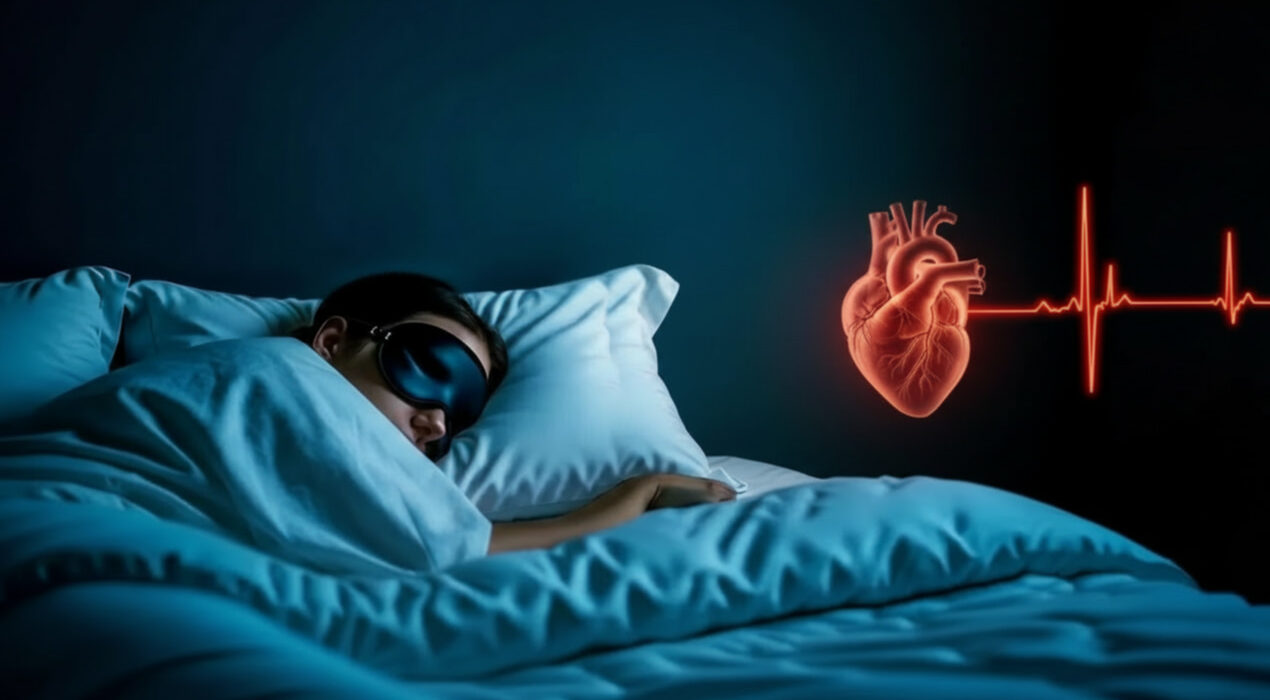
Sleeping in total darkness can support better heart health, according to new research. The keyphrase appears early to meet SEO goals. Experts now believe that even faint night-time light can disrupt the body’s natural rhythms. As a result, inflammation may rise and long-term cardiovascular risk may increase.
How Night Light Affects Your Heart
Researchers tracked 466 adults for nearly a decade. They examined how light at night, also called LAN, influenced heart health. The team found that brighter neighborhoods raised the chances of future heart problems. For example, a small rise in LAN led to a sharp jump in heart attack risk over five years. Social stress made the impact stronger. People living with traffic noise or economic strain reacted more intensely to nighttime brightness. Their bodies showed higher stress responses, which may trigger artery inflammation.
Why Darkness Supports Better Sleep
Scientists say artificial light can activate stress pathways in the brain. This activity may spark inflammation in the arteries, which increases the chance of heart disease. In addition, light exposure during sleep can reduce melatonin production. Melatonin helps regulate sleep and lower blood pressure. When light interrupts this process, stress hormones may rise, and the body may struggle to reset. Therefore, keeping your sleep environment dark can help protect your heart.
What You Can Do
Simple changes can create a healthier sleep space. First, use blackout curtains to block streetlights. Second, try a comfortable sleep mask for extra coverage. You can also seal gaps under doors to stop hallway light. Motion-sensing nightlights offer another option. They stay off until you move, which reduces unnecessary light exposure. These steps may help your body reach deeper rest and lower inflammation over time. With consistency, these habits can strengthen your sleep routine and offer meaningful long-term benefits for your cardiovascular health overall.