Pakistan Unemployment Rise Hits 21-Year Peak Amid IMF Pressures
Pakistan unemployment rise has become a major challenge for the country. The new Labour Force Survey shows joblessness reaching its highest point in 21 years. It links this spike to strict IMF conditions and repeated climate disasters that slowed economic activity.
Unemployment Levels and Provincial Trends
The national unemployment rate reached 7.1% in 2024–25. It was 6.3% in 2021. Therefore, the increase signals deeper economic stress. Khyber-Pakhtunkhwa recorded the highest joblessness at 9.6%. Punjab followed with 7.3%. However, Sindh showed the lowest unemployment at 5.3%.
The economy grew below 3% for years. As a result, it failed to absorb the 3.5 million new workers entering the job market annually. Most unemployed people were young and educated, which raises concerns about future growth.
Shift in Work Patterns and Wage Changes
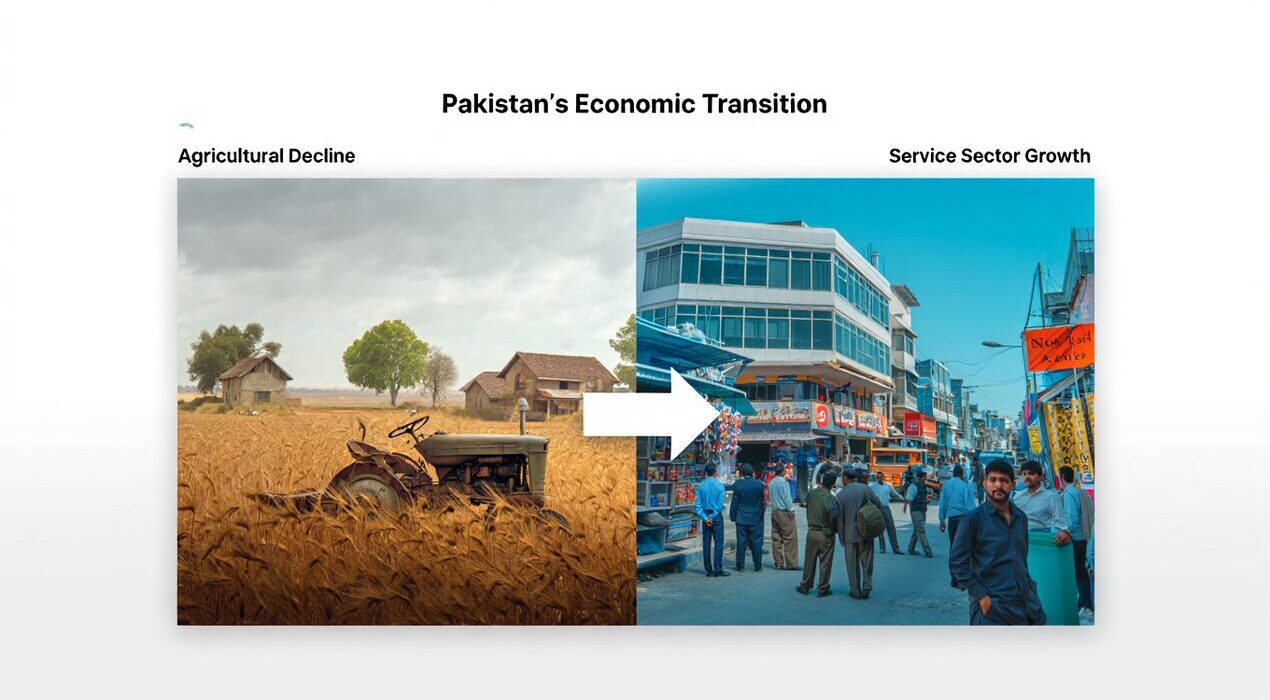
Work patterns are changing quickly. Many people are moving from agriculture to services. Agriculture’s share in employment dropped to 33.1%. Manufacturing also declined due to high energy costs and heavy taxes. However, wholesale and retail trade increased to 16%.
Unpaid work plays a major role in many households. Two out of three working-age people perform unpaid tasks such as caregiving, livestock management or household chores. For example, over 7% of people raise chickens at home to support their income.
Monthly wages improved during the survey period. Average wages rose from Rs24,028 to Rs39,042. Women saw strong gains, and the gender wage gap narrowed. In addition, the informal sector still covers more than 72% of non-agricultural jobs, especially in rural areas.