China’s Solid-State Battery Breakthrough Moves Closer to Real EV Use
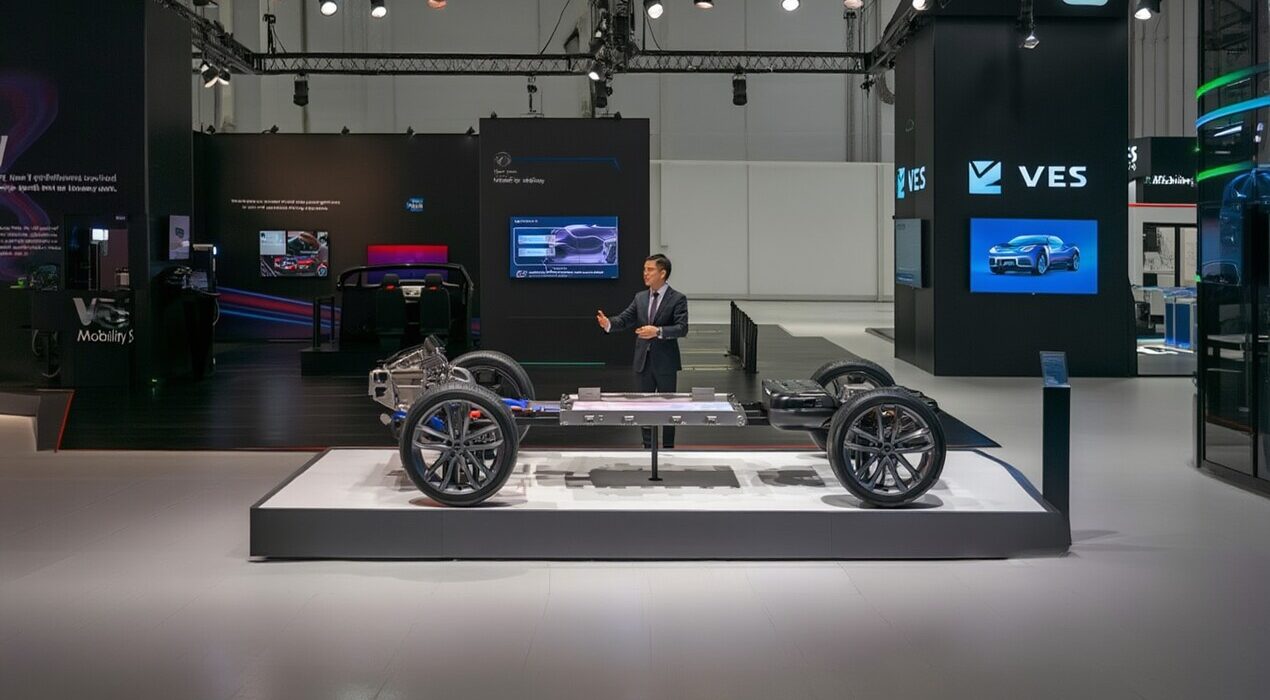
China has marked a major step forward with a new solid-state battery breakthrough. GAC Group has created the country’s first pilot production line for large solid-state EV batteries rated at 60 Ah or more. The line cannot support mass production yet. However, it can produce small batches of vehicle-grade cells for testing, which is a big milestone for the industry.
A Massive Leap in Energy Density
The company says these next-generation batteries can almost double the energy density of today’s EV cells. As a result, a current EV with a 500-kilometre range could one day reach up to 1,000 kilometres without increasing battery size. This is still a theoretical figure, but it shows how far the technology could go. In addition, the pilot line reaches an areal capacity of 7.7 mAh per square centimetre. This measurement reflects how much charge each unit of battery area can store.
These numbers highlight steady improvements over older prototypes, and therefore, they hint at a more efficient future for electric vehicles. GAC believes the shift will support both long-range travel and better battery safety.
Commercial Use Still Needs Time
GAC plans small-batch vehicle tests in 2026. If the results meet expectations, commercial production may begin between 2027 and 2030. The timeline may feel slow, yet it shows careful progress from lab research to industrial manufacturing. As other global companies race toward the same goal, this move positions China as a serious contender in next-generation energy systems.
Overall, this breakthrough shows how quickly solid-state battery development is evolving. It also reflects a stronger push toward safer, longer-lasting and more efficient EV power solutions.