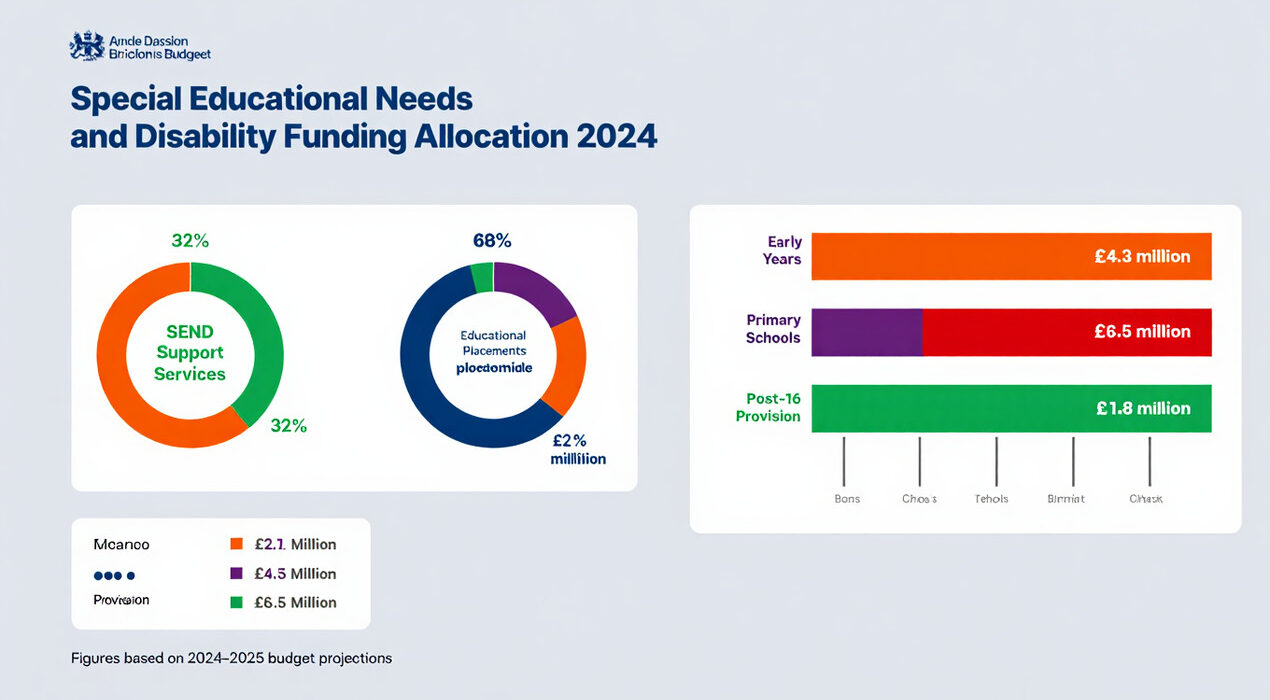
Government Rejects Claims of Reduced School Funding in SEND Spending Plan
The government has rejected claims that its new SEND spending plan will reduce money for schools. Officials said concerns about cuts are misplaced. They stressed that the changes aim to improve long-term support for children with special educational needs and disabilities.
Government Defends New SEND Spending Plan
The Department for Education said recent projections from the Office for Budget Responsibility were incorrect. According to the department, the figures did not reflect upcoming reforms. As a result, ministers argued the predictions painted an inaccurate picture of future spending.
Dispute Over Future Costs
The OBR warned that bringing SEND costs into wider education budgets could increase pressure on schools. However, the government said this assumption ignored the full reform package. For example, new funding models are expected early next year. In addition, officials said these changes will help manage demand more effectively.
The government plans to take all SEND spending away from local authorities by 2028. This shift covers a forecasted £6bn in extra costs. Ministers claimed the move will create a more consistent national system. They also said it will reduce inequalities between local areas.
Education groups remain cautious. They welcomed the promise of reforms. However, they said families need clarity on how support will improve. Many parents still face delays in assessments and rising challenges in securing specialist help.
Charities also encouraged the government to prioritise inclusive learning. They said children with SEND deserve stable, well-funded support. As a result, they want clear guidelines to ensure schools do not face new financial pressures.
The debate over the SEND spending plan will continue into the new year. Ministers insist the changes will strengthen the system. Critics, however, want detailed plans before accepting the government’s assurances.