Sri Lanka’s Private Tuition Debate: Calls Grow for Fair Rules and Standards
Sri Lanka’s private tuition culture continues to spark debate across the country. The demand keeps rising, yet many people worry about fairness, cost, and the impact on children. The Sri Lanka private tuition system supports students, but it also creates new pressures.
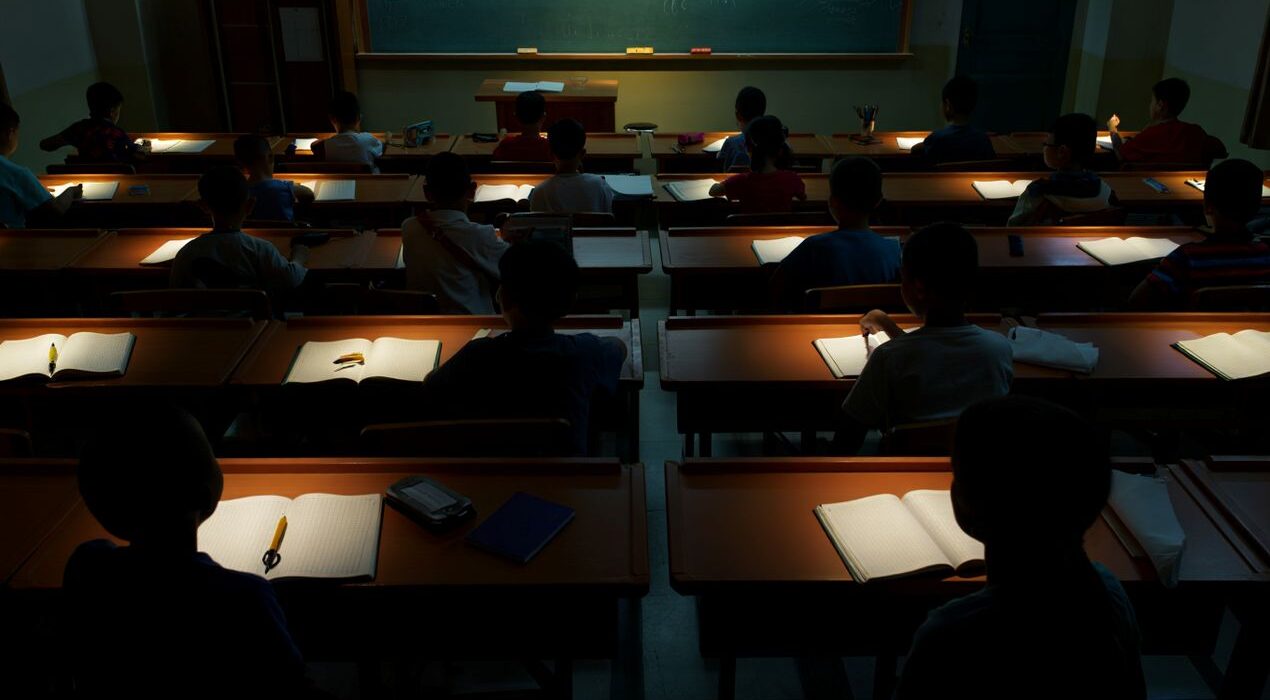
Parents often turn to tuition because school resources feel uneven. This is especially true in rural areas where access to strong teaching remains limited. As a result, many children begin tuition at a very young age. However, this early start places a heavy burden on families and increases academic stress.
The pressure to enter elite schools makes the situation even more intense. Many parents push children as young as eight into multiple classes. They hope these lessons will help them pass competitive exams. As a result, tuition has become a daily routine for thousands of families.
Costs remain a major concern. Fees differ widely, and economic hardship makes them even harder to manage. Some classes cost several thousand rupees for just a few hours. In addition, the industry lacks proper oversight. This allows secrecy, inconsistent pricing, and limited transparency.
Ethical issues also worry many families. There have been reports of exam paper leaks and unfair advantages. These incidents weaken trust in the entire education system.
Growing Calls for Regulation
Education unions say it is time for clear rules. They suggest training for all tuition teachers and a system of official licenses. They also want fair fee guidelines to reduce exploitation. In addition, they believe high-income tutors should pay taxes.
Strengthening Public Education
University academics argue that better public schools could reduce dependence on tuition. They worry that students now focus on passing exams instead of learning deeply. They also warn that long study hours affect children’s mental well-being.
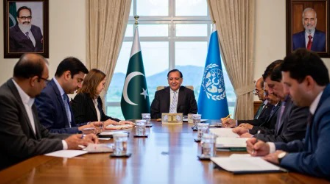
Government officials say discussions on new regulations have begun. However, details are still being developed.