Deadly Threat: AIDS Spreading Fast Khyber – Health Experts Warn of Public Health Crisis
AIDS is spreading fast in Khyber. Health experts are sounding the alarm. They warn people about this deadly threat. New cases are appearing at an alarming rate. Public health crisis worsening demands immediate action. The government must focus on prevention and treatment. In addition, local communities need more support. Khyber district now has 313 human immunodeficiency virus (HIV) cases. This total ranks second in the merged districts. North Waziristan tops the list with 383 cases. Ironically, health authorities held no official function. They also missed organizing an awareness session on International AIDS Day.
🚨 The Alarming Rise and Hidden Spread
Experts note that many married women have contracted the disease. Their children have also become infected. For example, the disease often transfers from husbands or fathers. These men often lived in Gulf countries or major cities. However, many HIV carriers do not disclose their disease. They fear social stigma from the community. Women often approach doctors for medical tests first. Their male partners frequently stay away from testing. They feel ashamed to seek necessary medical help.
The disease is now spreading rapidly across the entire district. This unchecked spread necessitates quick intervention. Lack of awareness contributes significantly to the problem. Doctors say unhygienic lifestyles can also spread the disease. Sex should not be considered the only transferring agency.
🛡️ Urgent Steps for Prevention and Awareness
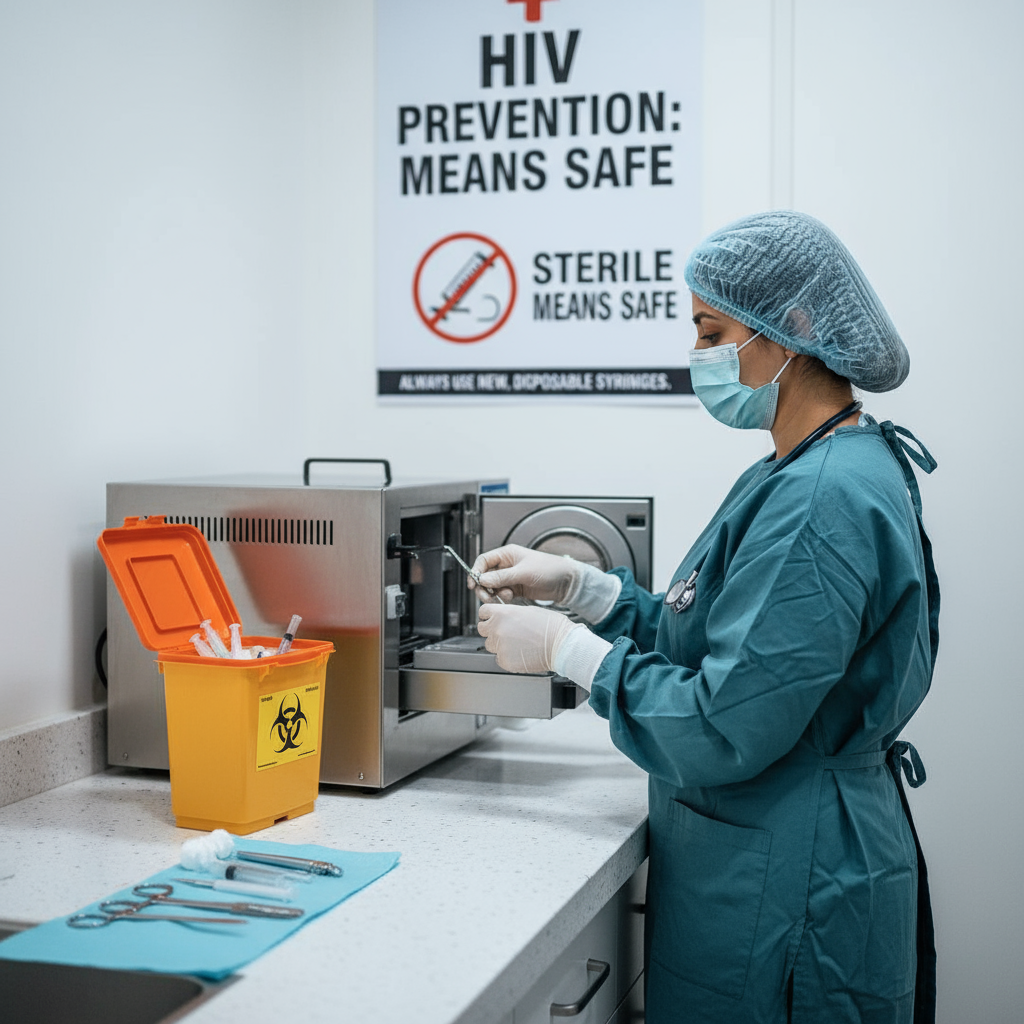
We must stop the spread of AIDS in Khyber. Education is a powerful tool against this surge. Campaigns should inform people about safe practices. They should also promote regular testing. For example, experts advise using non-infected blood for transfusions. They also recommend sterilizing surgical equipment before use. Disposable syringes are necessary for all injections. Furthermore, barber shops must use sterilized or disposable cutting equipment.
The majority of local people are unaware of these facts. Therefore, health authorities must sensitize the local population. They should conduct awareness sessions in schools and colleges. Clerics and community elders can help immensely. They can spread valuable information in mosques and community gatherings. We must ensure no one is left behind in this fight. Urgent investment in health services is critical.