UK Norway Defence Pact: Joint Fleet to Protect North Atlantic From Rising Threats
The UK Norway defence pact marks a major step in military cooperation between the two nations. Both countries agreed to operate a joint fleet to monitor Russian submarine activity in the North Atlantic. As a result, they aim to protect critical undersea cables and boost regional security.
British officials have raised concerns about rising threats from Moscow. For example, the Ministry of Defence reported a 30% increase in Russian vessels appearing in UK waters over the past two years. This trend has encouraged both countries to strengthen their partnership.
A New Joint Fleet in the North Atlantic
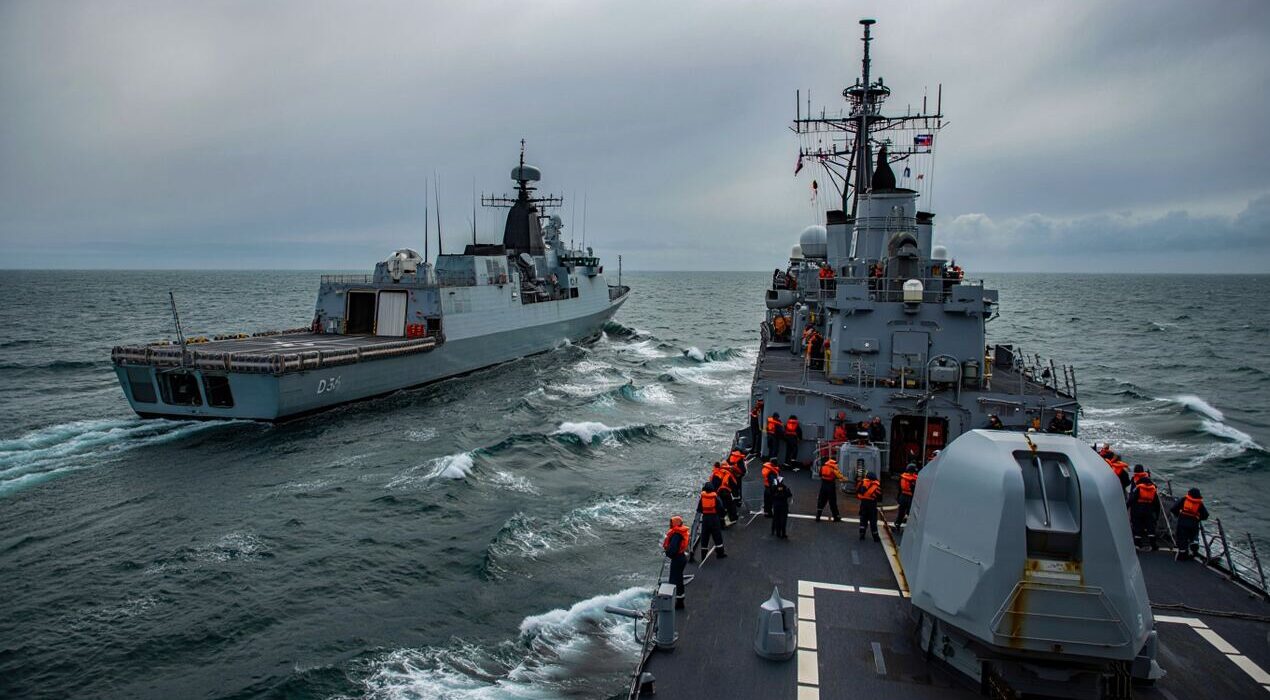
Under the agreement, both navies will use a shared fleet of British-built Type-26 frigates. These ships are designed for advanced submarine hunting. They also support long-distance missions in challenging waters. In addition, the fleet will improve coordination between the two Nato allies.
UK Prime Minister Keir Starmer described the pact as a “historic” moment. He said the agreement strengthens the UK’s ability to safeguard vital infrastructure. Norway’s leaders echoed this view and highlighted the value of long-term cooperation.
Protecting Undersea Cables and Regional Stability
Undersea cables carry most of the world’s internet and communication data. Therefore, any threat to them affects global security and economic stability. The new pact aims to reduce these risks by improving surveillance and rapid response capabilities.
Both countries will share intelligence and conduct joint training exercises. This approach creates stronger teamwork and ensures quick action when needed. In addition, the pact supports Nato’s broader strategy in the High North.
Local communities and defence experts have welcomed the initiative. Many believe it highlights the importance of protecting modern infrastructure. The UK Norway defence pact also shows how allies can adapt to growing maritime challenges.
The agreement signals a future of closer cooperation and stronger protection for the North Atlantic.