MSU’s Center for Research on Rural Education Celebrates 10 Years of Statewide Impact
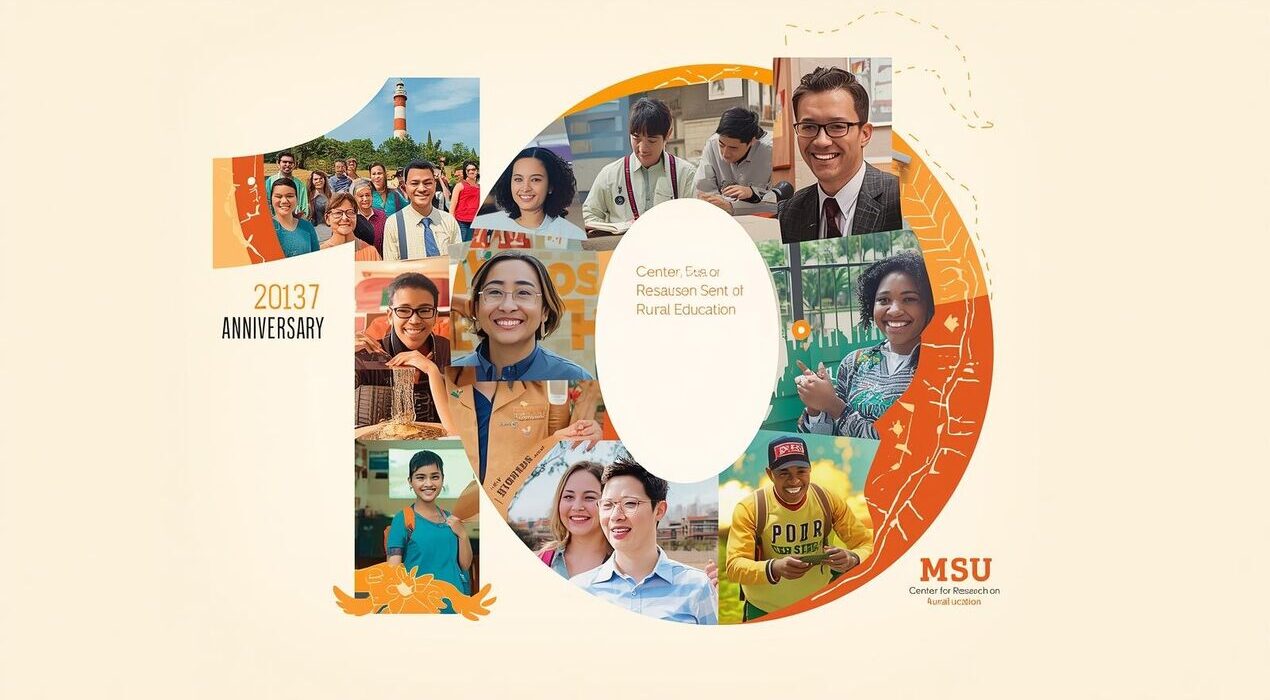
Montana State University’s Center for Research on Rural Education is celebrating its 10th anniversary. The center was created to address the urgent needs of small, rural and remote schools in Montana and beyond. Over the decade, its projects have received more than $21 million in grant funding.
The center focuses on three main areas. It prepares and supports rural teachers, strengthens rural counseling, and delivers mental health literacy for rural youth. It operates within MSU’s College of Education, Health and Human Development.
A Decade of Listening and Collaboration
Director Jayne Downey said the center always begins by listening. This approach ensures its research and service reflect the needs and values of rural communities.
She noted that the center partners closely with schools across Montana. As a result, the team has earned deep trust and has connected with every county in the state.
In 2015, the center received $156,764 for rural-focused initiatives. Today, active grants total $13 million, supporting a wide range of programs.
MSU leaders praised the center’s statewide impact. They highlighted its support systems for rural teachers and counselors, as well as its strong mentoring network.
Key Initiatives and Programs
Addressing Rural Recruitment and Retention / Montana Rural Teacher Project
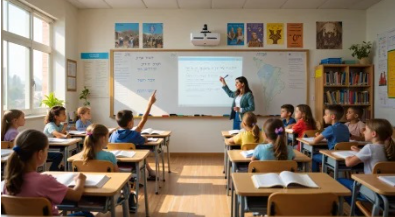
In 2019, MSU and its partners secured $6.2 million to address teacher shortages in rural Montana. The five-year program operated mostly online. It recruited and prepared teachers who completed the Master of Arts in Teaching and then moved into rural classrooms.
Participants worked a full residency year in eligible rural schools. After licensure, they received two years of mentoring and ongoing professional learning.
The project funded 47 graduates, supported by a $3.1 million federal grant and matching funds from Montana partners.
ASPIRE: Strengthening Montana’s Rural Education Workforce
MSU launched the ASPIRE program in 2021 with $1.5 million from Margaret A. Cargill Philanthropies. In 2024, the center received an additional $2.5 million for the second phase.
ASPIRE includes three major efforts:
Rural Teacher Pathways Program
Undergraduates gain structured clinical experiences in rural communities. The program also includes a Bridge to College track for high school students.
MentorMT Project
New and underprepared teachers receive one-on-one mentoring. This support helps educators working on provisional licenses, teaching outside their field or teaching with limited preparation.
Rural Teaching Resource Hub
This online hub provides licensure guidance, instructional materials and professional development for rural teachers statewide.
Rural Mental Health Preparation/Practice Pathway Partnership
MSU, the University of Montana and the Office of Public Instruction work together to prepare counselors for rural and tribal communities.
The partners received a $2.3 million federal grant in 2019 and a $4.1 million award in 2023. The funds support graduate students through a 10-month rural internship, covering lodging, travel and living expenses.
Each year, about 10 students from MSU and 10 from UM receive support.
Youth Aware of Mental Health (YAM)
YAM is a school-based program that helps students understand mental health and recognize suicide risk factors. It consists of five hours of learning delivered over at least three weeks.
The program launched in 2016 with a $303,000 grant. Since then, the center has secured more than $1.5 million to expand YAM, especially in rural and tribal communities. Funding has come from state agencies, national organizations and local partners.
Educator Development with Indigenous Nations: Amskaapi Piikani Pilot
Launched in 2025, this new program prepares middle and high school teachers to serve Indigenous communities in Montana. It received $500,000 from Margaret A. Cargill Philanthropies.
The program uses a 2+2 model. Students study for two years at Blackfeet Community College, then complete two years of MSU coursework in Browning. Graduates earn a bachelor’s degree in secondary education with a science or social studies focus.
Project partners include MSU, Blackfeet Community College, the Amskaapi Piikani Nation and local school districts.