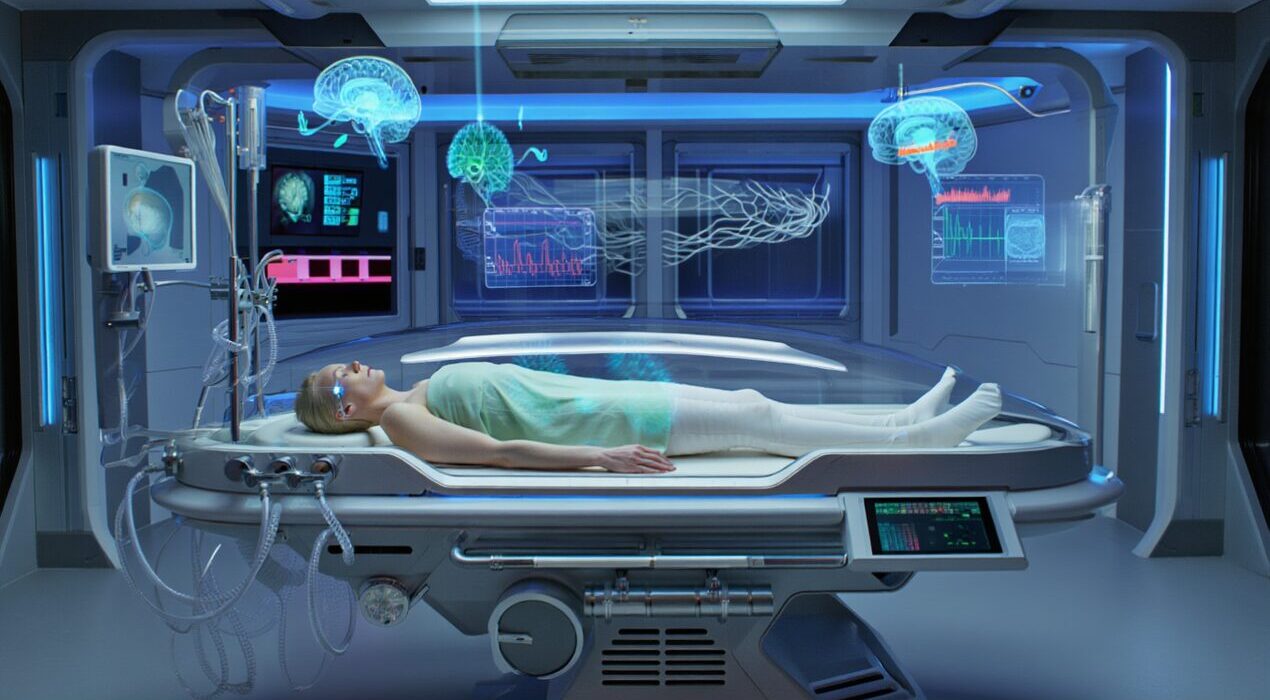
NYU Research Suggests Death May Be Reversible in Early Stages
A senior doctor from New York University has raised new questions about how death is defined. Recent research suggests some signs of death may be reversible hours later. As a result, scientists are rethinking long-held medical assumptions.Doctors traditionally declare death when the heart stops beating. Brain activity and breathing also cease at that point. However, new evidence shows this process may not end instantly.
Cells May Stay Alive Longer Than Expected
Researchers found that some body cells remain active after blood flow stops. Certain brain and heart cells can survive quietly for extended periods. Therefore, cell death appears to happen gradually, not all at once.The NYU team studied patients who recovered after long cardiac arrest. In rare cases, brain activity returned after several minutes of flat readings. These findings suggest the body may retain recovery potential longer than believed.
Technology Driving New Possibilities
Scientists are testing tools that control oxygen levels and body temperature. They are also studying how cells respond to stress after circulation stops. As a result, researchers can better understand which systems might restart.This work focuses on supporting remaining cellular activity. It does not guarantee recovery in most cases. However, it opens possibilities for targeted intervention.
Death as a Process, Not a MomentThe research suggests death occurs in stages. Each stage may offer limited opportunities for intervention. Therefore, timing becomes critical for emergency care decisions.Experts stress that the research remains early. Ethical and legal concerns still require careful discussion. In addition, spiritual perspectives vary widely across cultures.This work could influence emergency response practices. It may also affect organ donation timeframes. Moreover, it could reshape how doctors measure life signs.
Scientists say the goal is not to defeat death. Instead, they aim to improve how life and recovery potential are assessed. As a result, medical definitions may evolve.