Oxford Education Ideas Shift Focus Beyond School Choice Debate
A recent opinion column sparked a fresh education discussion in Mississippi. It shifted attention away from the school choice debate. Instead, it highlighted Oxford education ideas rooted in daily classroom realities. The column appeared on the Mississippi Today website. It came from Bradley Roberson, superintendent of the Oxford School District. His message focused on solutions beyond vouchers and enrollment options. Roberson described a conversation with a state lawmaker. The question challenged him to suggest alternatives. As a result, he outlined ideas centered on student learning.
Focusing on What Happens Inside Schools
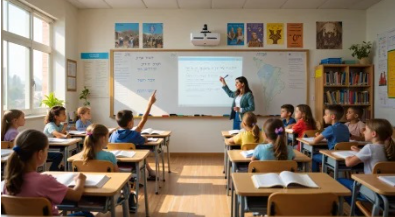
Roberson argued that policy debates often miss classroom needs. Teachers require support, time, and resources to succeed. Therefore, improvement must start where learning happens.He emphasized strong instruction and early intervention These strategies help students before gaps widen. For example, targeted support can boost reading outcomes.The column also stressed the value of stable school communities.
Frequent policy shifts can disrupt progress. However, consistent investment builds trust and results.Educators, families, and leaders all play a role. Shared responsibility strengthens outcomes. In addition, collaboration improves decision-making.
Why Broader Education Ideas Matter
School choice often dominates public discussion. Yet it does not address every challenge schools face. That reality makes Oxford education ideas worth attention.Roberson encouraged lawmakers to listen to educators. Local leaders understand student needs best. Therefore, policy should reflect on-the-ground experience.He also highlighted the importance of funding priorities. Resources shape class size, programs, and support services. As a result, thoughtful investment matters.The column called for calm, evidence-based dialogue. Education debates affect real families and children. Respectful discussion leads to better solutions.Mississippi’s future depends on strong public schools. Improvement requires more than one policy tool. Broader ideas can move the conversation forward.