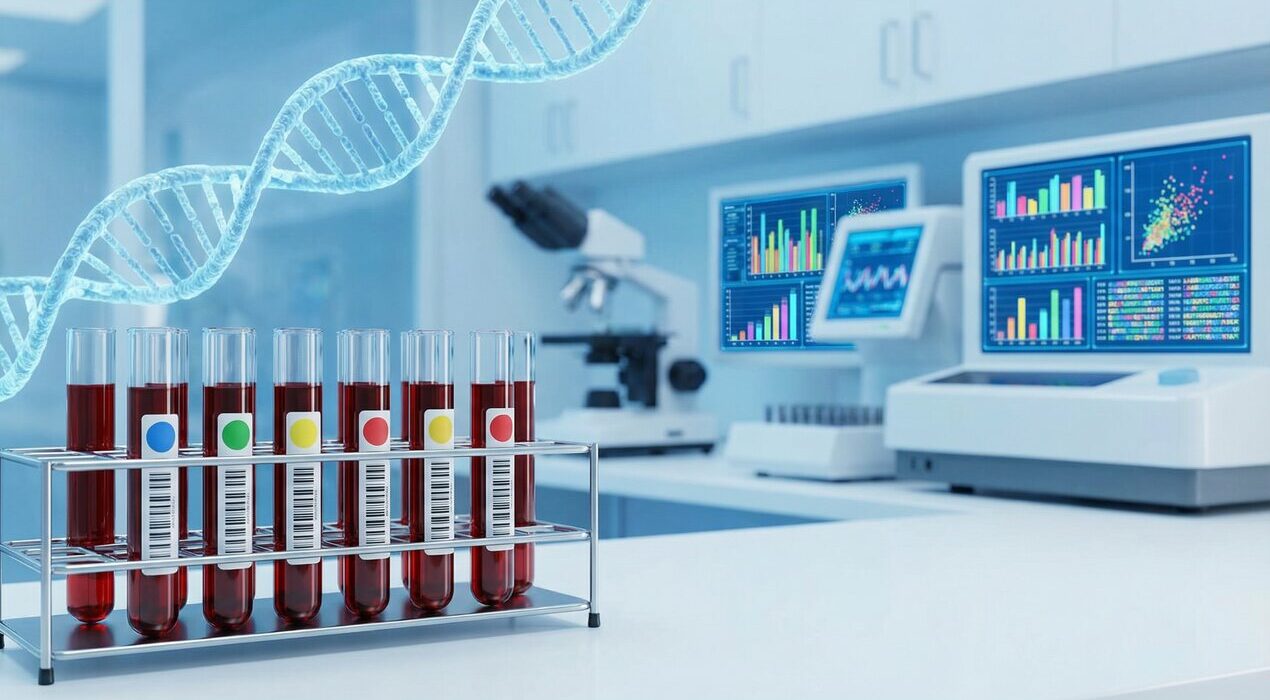
Scientists Discover a Rare Hybrid Blood Group
Scientists have identified an extremely rare hybrid blood group called the B(A) phenotype. The discovery came after screening more than 544,000 people worldwide. Surprisingly, researchers found this genetic variant in only three individuals.
At first glance, these red blood cells appear to be Type B. However, advanced testing revealed something unusual beneath the surface. A rare genetic mutation causes the cells to hide tiny amounts of Type A antigens. As a result, the blood behaves differently during transfusions.
This finding challenges the simple idea of blood types. Most people learn about A, B, AB, and O. However, science continues to show that human biology is far more complex.
Why This Discovery Matters for Transfusion Safety
This discovery plays a critical role in blood transfusion safety. Even small antigen differences can cause serious reactions. Therefore, accurate blood matching becomes essential, especially in emergency care.
In addition, the finding highlights the value of genetic sequencing. Traditional blood tests may miss hidden traits like this one. Advanced genetic tools help doctors identify rare risks before transfusions happen.
For example, a patient with the B(A) phenotype may react unexpectedly to standard Type B blood. Identifying this early can prevent life-threatening complications. As a result, precision testing can save lives.
Researchers believe more rare blood types may exist. However, they often remain undetected due to limited testing methods. This discovery encourages wider use of genetic screening in healthcare.
Overall, the study reminds us that medical science continues to evolve. Each breakthrough improves patient safety and inclusivity. Most importantly, it proves that every person’s biology deserves careful understanding.