4,000-Year-Old Sheep Reveals How Ancient Plague Spread Across Continents
A 4,000-year-old sheep has changed what we know about plague. Scientists found plague DNA in its bones. This discovery reshapes ancient disease history.During the Middle Ages, plague devastated Europe. Fleas spread the disease from rats to humans. However, an older plague strain puzzled scientists for years.That Bronze Age plague appeared 5,000 years ago. It spread across Eurasia for centuries. Yet it could not travel by fleas.
A Breakthrough Discovery
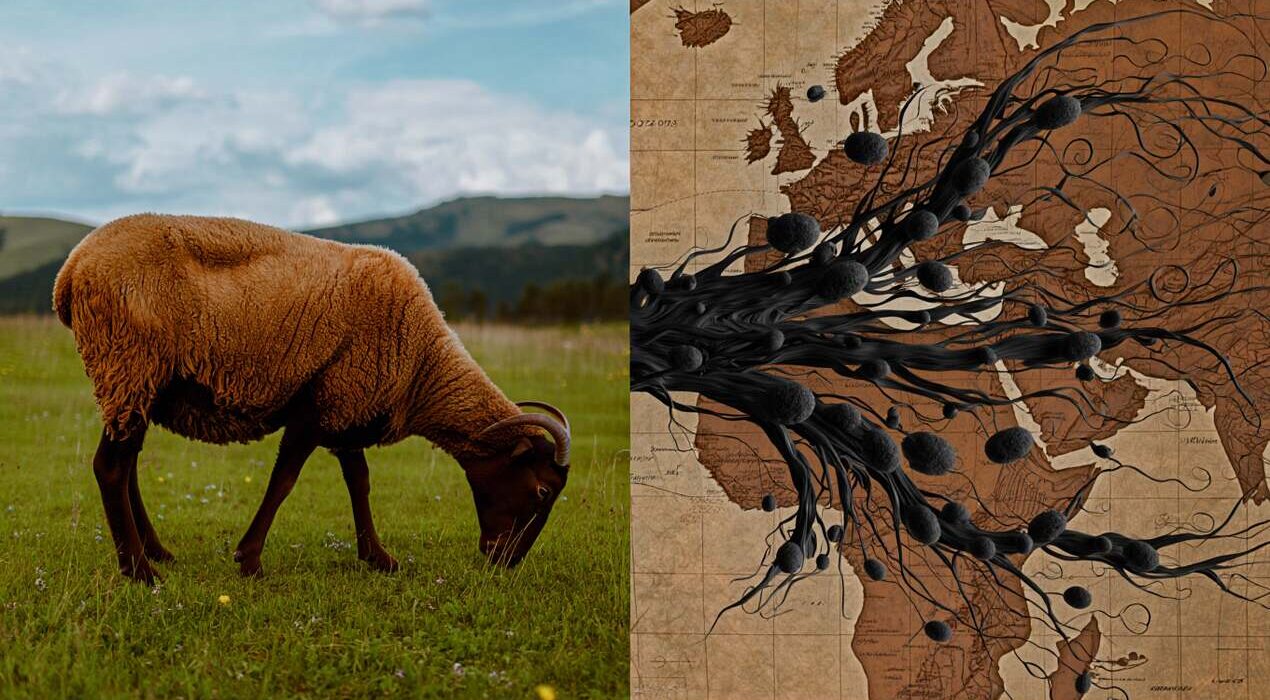
Researchers finally found a clue. They detected plague bacteria in a domesticated sheep. This marks the first animal case from the Bronze Age.The sheep lived near Arkaim in modern Russia. The settlement belonged to the Sintashta culture. This culture shaped early nomadic societies.The study involved experts from several countries. It appeared in the journal Cell. As a result, the finding gained global attention.Researchers study ancient animal DNA to trace human history. They analyze bones and teeth from old settlements. However, this work takes patience.Samples contain mixed DNA from soil and people. In addition, animal remains often degrade faster. Despite this, the team found something remarkable.One sheep bone carried Yersinia pestis DNA. Therefore, livestock likely helped spread the ancient plague.
Rethinking How Plague Spread
Scientists once thought people alone carried the disease. However, identical plague strains appeared far apart. That raised new questions.The sheep provided answers. Researchers now see a network of humans, animals, and natural reservoirs. These reservoirs may include rodents or birds.In the past, closer contact with animals increased risk. As a result, disease spreads faster across regions.
Lessons for Today
This ancient case still matters. Human expansion often disrupts ecosystems. Therefore, new diseases can emerge.Respecting nature helps protect public health. The past reminds us to seek balance, not control.