Hub Provenance Talk Sparks Debate Over African Objects at UK Museum
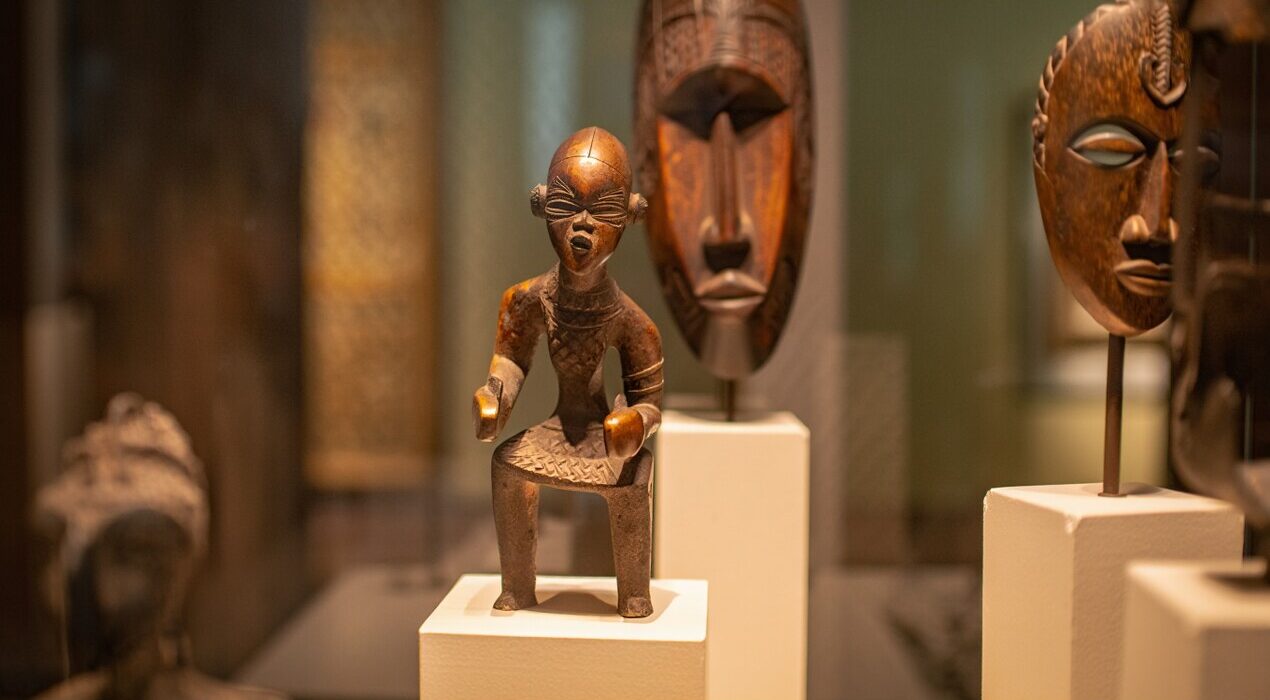
A new hub provenance talk has begun in Manchester. Thousands of African objects now sit in public view. Many arrived during Britain’s imperial era.
Unanswered Histories Come Forward
Curators say the collection includes items taken in many ways. Some were gifted, while others were removed by force. However, records remain unclear.
The display aims to confront these gaps openly. As a result, visitors can see what museums often hide. The approach invites honesty instead of certainty.
Manchester Museum moved the items from storage. Staff placed them inside a dedicated Africa Hub. The space encourages learning through questions.
Inviting Dialogue and Reflection
Many objects lack clear background details. For example, one sculpture shows a horse with a bird figure. The museum only knows a donor’s name and year.
No label explains its cultural role. Its place of origin also remains unknown. Therefore, its story feels unfinished.
Museum leaders say this openness matters. They want visitors to reflect on how collections formed. In addition, they hope communities can help fill gaps.
The team believes transparency builds trust. It also respects the cultures linked to the objects. As a result, the display avoids telling a single story.
Curators now ask an important question. How should institutions care for items with painful pasts? Some people may support continued display.
Others may call for shared stewardship. Some may even request return. The museum welcomes all views.
This hub provenance talk marks a shift. It places listening before authority. It also centers people over possessions.
By sharing uncertainty, the museum starts a wider conversation. That dialogue could shape future choices. Most importantly, it restores dignity to lost histories.