How the Science of Memory Recall Changes Your Past
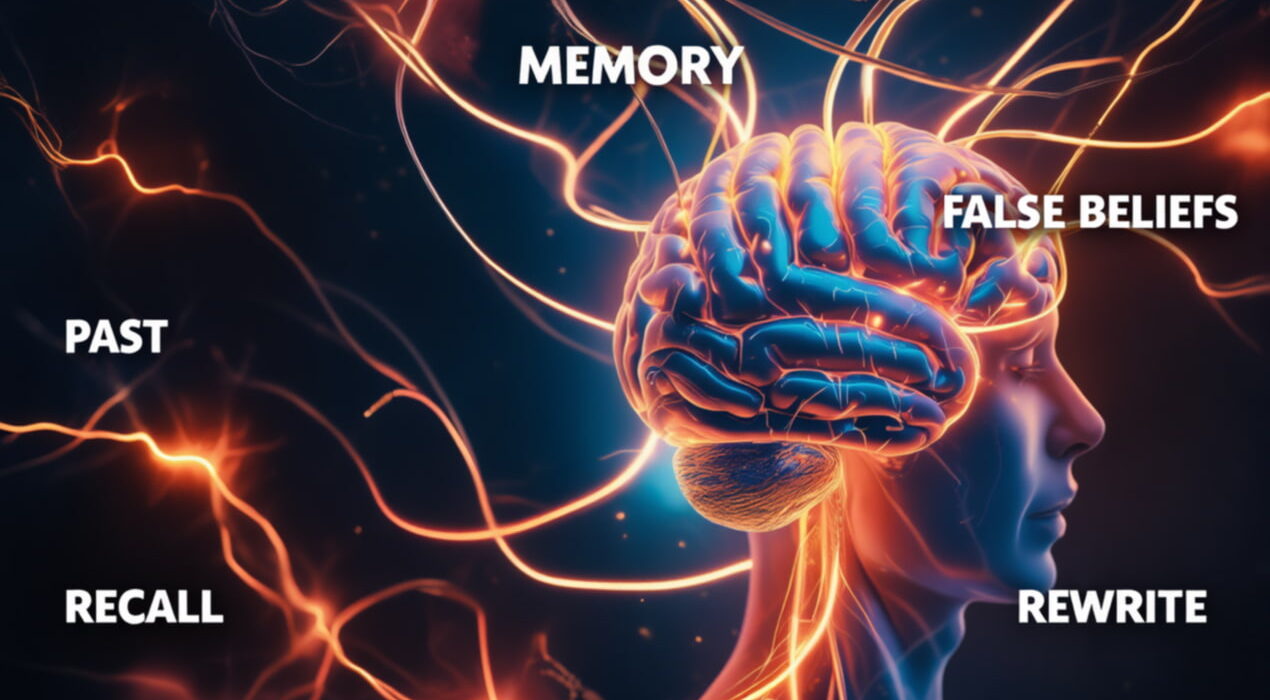
Human memory is not like a digital recording or a static file in a cabinet. Instead, your brain acts more like a busy editor. Every time you recall a specific event, you are actually recreating it. Scientists discovered that neural circuits destabilize your memories during the process of retrieval.
Therefore, your current feelings and surroundings can change the way you view the past. As a result, even your most vivid stories shift over time without you ever noticing.
The Science of Memory Recall
When you remember something, your brain enters a temporary state of transition. This phase allows new emotions and context to blend into the original event. Consequently, a memory from childhood might feel different depending on your adult perspective.
In addition, your mind often fills in missing gaps with logical guesses to make sense of things. For example, you might remember a sunny day because you were at a beach. However, the weather could have been cloudy on that specific afternoon. This editing process makes your personal history feel consistent and meaningful.
Why Your Brain Updates Stories
This constant updating serves a vital purpose for your daily survival. It helps you integrate new lessons into your existing knowledge base. Therefore, you can adapt to new challenges without being held back by outdated information.
Furthermore, this flexibility allows people to heal from difficult or painful experiences. By shifting the context, your mind helps you find peace and move forward. While your recollections may not be perfect, they are essential for personal growth.
Your brain prioritizes the overall meaning of a story over the tiny details. This is why two people can remember the same event in very different ways. Your past is a living document that grows and changes alongside you every single day.