The Via Francigena and Walking Routes Are Transforming European Tourism
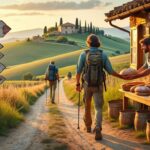
European tourism is experiencing a quiet but powerful revolution. Historic walking routes, led by the iconic Via Francigena, are reshaping how travelers explore the continent. This ancient pilgrimage path from Canterbury to Rome has seen a major surge in popularity. Therefore, it is now a leading model for sustainable, community-focused tourism that delivers real economic impact.
A Catalyst for Rural Economic Revival
The true power of the Via Francigena lies in its effect on local economies. Unlike mass tourism that concentrates spending in cities, walkers distribute their euros and pounds along the entire trail. Furthermore, they directly support a vital network of small, family-run businesses in rural villages. As a result, rural B&Bs, guesthouses (*osterie*), cafes, and local farms see a steady and meaningful stream of income.
This demand creates new entrepreneurial opportunities. Services like luggage transfer companies and guided tour operators have emerged. Moreover, the route helps combat rural depopulation by creating jobs and incentivizing the restoration of historic buildings. Consequently, entire regions are being revitalized through the footsteps of travelers.
Empowering SMEs and Fostering Collaboration
The route provides a sustainable and collaborative business model for small and medium-sized enterprises (SMEs). Businesses along the path often work together rather than compete. In addition, regional consortia form to promote their section of the trail collectively. This cooperative spirit ensures quality and preserves the authentic, community-based experience that walkers seek.
The Via Francigena’s recognition by the Council of Europe has been a key catalyst. It provides a framework for development and marketing. Ultimately, it empowers local actors to build a tourism economy that is resilient, distributed, and deeply connected to cultural heritage.
A Blueprint for the Future of Travel
This transformation represents a broader shift in travel preferences. Modern travelers increasingly seek meaningful, slow, and immersive journeys. Walking routes satisfy this desire perfectly. They offer year-round, dispersed tourism that reduces pressure on overcrowded urban centers.
The success of the Via Francigena serves as a powerful blueprint. It demonstrates how tourism can be a genuine force for good—driving economic development, preserving culture, and promoting environmental stewardship. The path forward for European tourism is being mapped, one step at a time.