Rs135bn Airline Deal: Arif Habib Consortium Secures Majority Stake in PIA
Pakistan has taken a major step toward aviation reform after a successful auction. The Rs135bn airline deal revived interest in Pakistan International Airlines. As a result, investor confidence improved across the market.
The Arif Habib Corporation Limited–led consortium won a 75% stake with a Rs135 billion bid. Lucky Cement’s group followed closely but fell short. However, strong competition marked a clear change from last year’s failure.
Finance Minister Muhammad Aurangzeb addressed the event during the live broadcast. He said Pakistan emerged as the real winner. In addition, he praised local investors for backing national reform.
Strong Bidding Boosts Confidence
Three Pakistani groups joined the auction this time. Improved terms helped attract serious interest. Therefore, the bidding stayed competitive until the final round.
The Arif Habib consortium includes Fatima Fertiliser, City Schools, and Lake City Holdings. Meanwhile, Lucky Cement partnered with Hub Power Holdings and Metro Ventures. Both sides raised bids steadily throughout the session.
Officials confirmed that 92.5% of the proceeds will go directly into PIA. Only 7.5% will reach the federal government. As a result, most funds will support fleet upgrades and operations.
Reforms Improve Airline Outlook
The government retained a 25% stake for now. Buyers may purchase it later or leave it with the state. This structure offers flexibility for future planning.
Earlier, the privatisation adviser stressed revival over sale. For example, the government absorbed most legacy debt and ensured one year of job protection. Pension and medical costs will remain with the holding company.
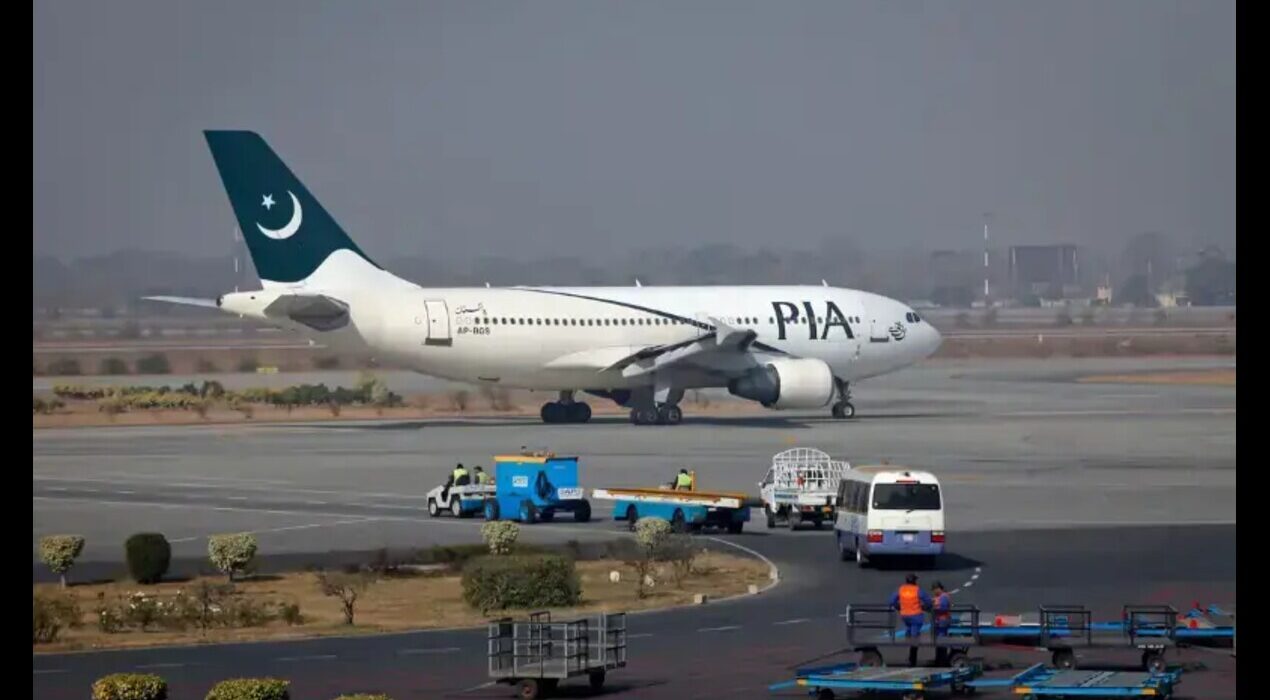
PIA currently serves 78 destinations and controls 170 landing slots worldwide. In addition, the EU and UK lifted long-standing bans. These changes reopened profitable routes and lifted revenue prospects.
Overall, the Rs135bn airline deal supports Pakistan’s IMF-backed reform agenda. It also signals stronger faith in transparent privatisation.