Can Gut Microbiome Mapping Research End Peanut Allergies?
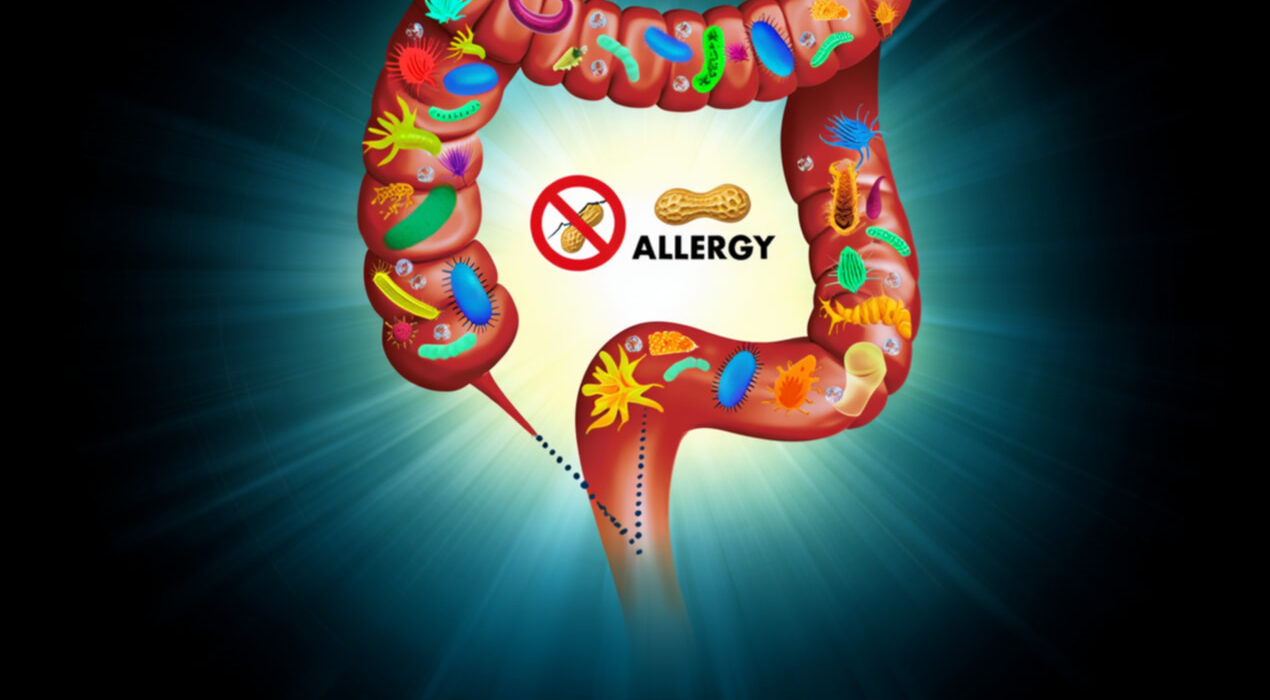
Scientists are currently making incredible strides in the field of food safety and medicine. They recently used gut microbiome mapping research to pinpoint exactly why some people react poorly to peanuts. Their findings suggest that a specific strain of bacteria is often missing in people with severe allergies.
This tiny microbe plays a massive role in how our bodies process common food proteins. When this bacteria is absent, the immune system views peanuts as a dangerous threat. Consequently, the body triggers an allergic reaction to protect itself from the perceived invader.
Retraining the Immune System
Fortunately, researchers have developed a specialized probiotic pill to fix this internal imbalance. This treatment reintroduces the missing bacteria directly into the patient’s digestive tract. Therefore, the gut can begin to communicate more effectively with the immune system.
As a result, the body learns to tolerate allergens rather than attacking them. This process is known as desensitization, and it has shown remarkable success in recent clinical trials. Patients who once feared a single peanut can now handle small amounts without any symptoms.
A Permanent Cure Strategy
In addition, this method offers a much more sustainable solution than traditional allergy shots. Instead of just managing symptoms, it treats the underlying cause of the problem. Modern science is finally looking at the body as a complete ecosystem.
Furthermore, this breakthrough could eventually apply to other types of food sensitivities as well. For example, similar mapping techniques might help people with dairy or shellfish allergies in the near future. We are moving toward a world where food is no longer a source of daily anxiety.