Mufti Taqi Usmani Rejects Army Chief Immunity Under Islam
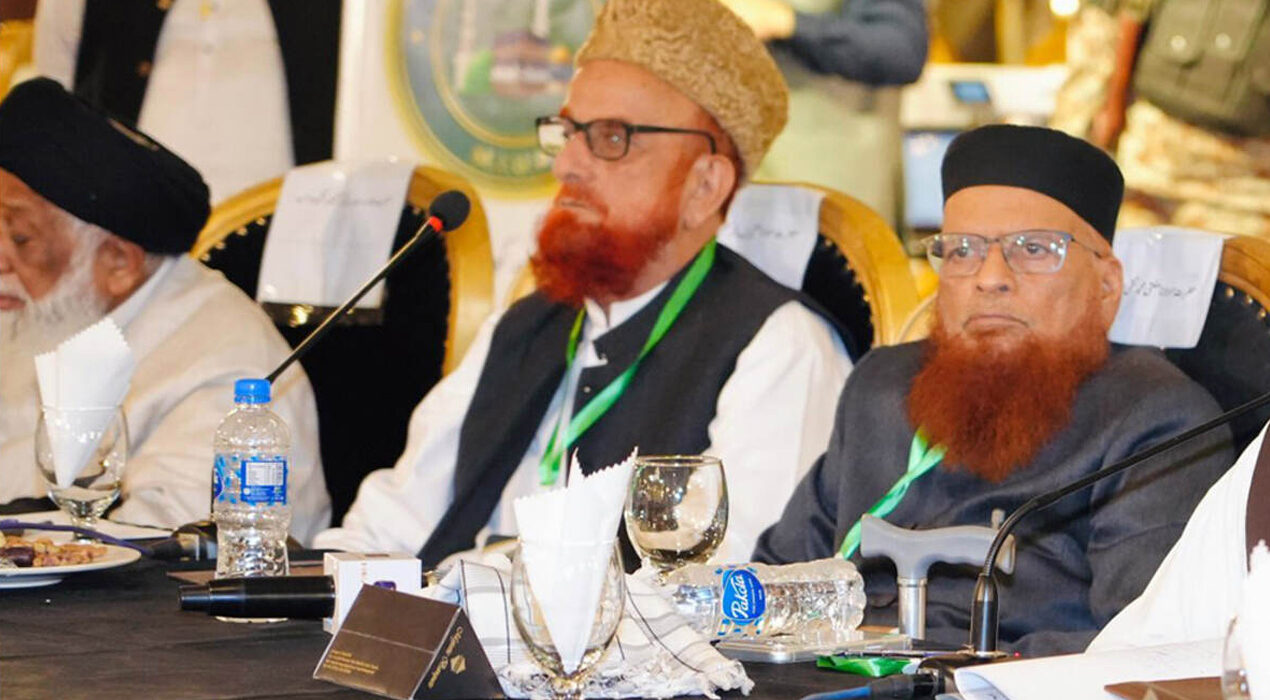
Prominent Islamic scholar Mufti Taqi Usmani strongly criticised proposals linked to Army Chief Immunity in Pakistan. He said Islam rejects lifetime legal protection for any individual. According to him, such immunity weakens justice and accountability.
He shared these views while addressing a public gathering on Monday. His remarks quickly drew attention across political and religious circles. As a result, the debate over accountability gained fresh momentum.
Accountability Under Islamic Principles
Mufti Usmani stated that Islam places no one above the law. He explained that rulers, military leaders, and citizens all answer for their actions. Therefore, permanent legal immunity contradicts Islamic teachings.
He stressed that justice forms the backbone of an Islamic system. Without accountability, societies drift toward imbalance and unfairness. In addition, he warned that Sharia does not support special legal shields for powerful figures.
The scholar also highlighted examples from Islamic history. Leaders faced scrutiny and judgment like ordinary people. Consequently, equal treatment under the law strengthened trust and moral authority.
Mufti Usmani urged lawmakers to reflect on Islamic values. He said decisions affecting governance must align with ethical responsibility. Otherwise, public confidence continues to decline.
Public Debate and Democratic Concerns
His remarks come amid rising discussion over military influence in Pakistan. Many voices question expanded powers for senior army officials. As a result, concerns about democratic balance continue to grow.
Critics argue that Army Chief Immunity weakens institutions. They believe unchecked authority damages the rule of law. Moreover, legal distinctions between officials and citizens create resentment.
Mufti Usmani echoed these concerns in religious terms. He said injustice spreads when accountability disappears. Therefore, he urged state institutions to uphold fairness.
The issue has gained strong public attention in recent weeks. Political leaders, analysts, and civil groups now weigh in. Many agree that transparency remains essential for stability.
Mufti Usmani concluded with a clear message. Islam supports justice, not privilege. Accountability, he said, protects both faith and the state.