Health in 2025: Five Medical Breakthroughs That Brought Hope
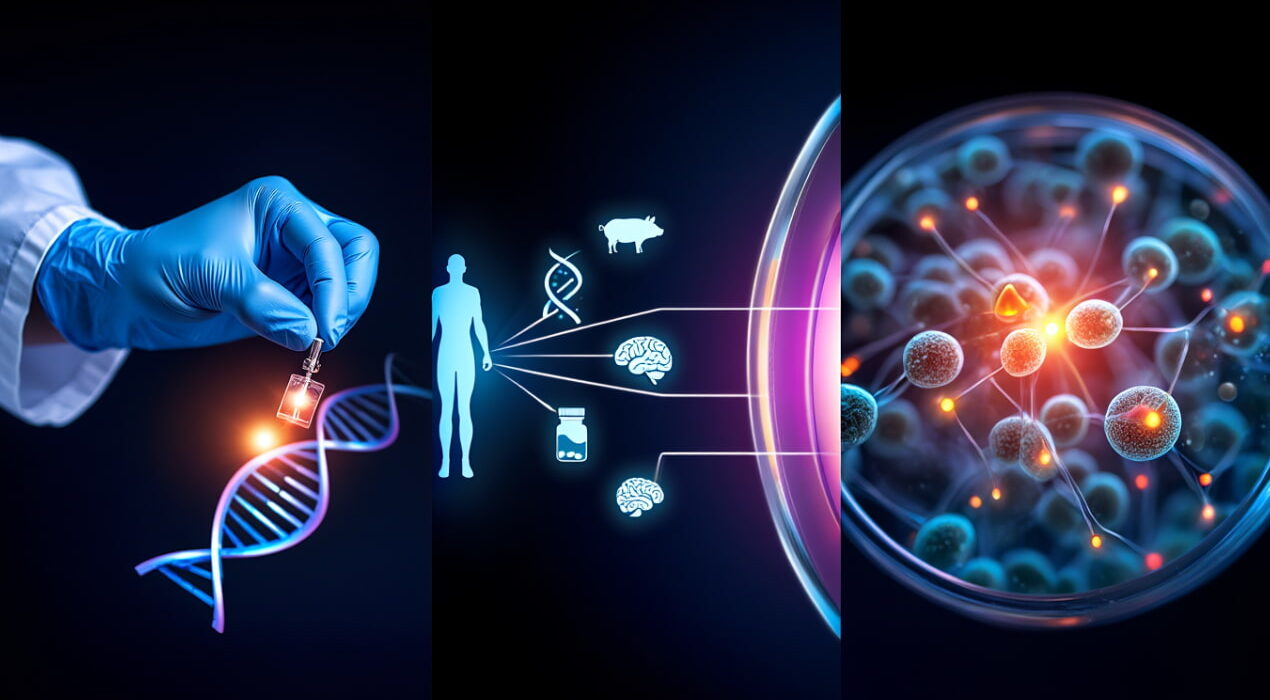
The year 2025 brought remarkable progress in medical science. Several breakthroughs have the potential to transform healthcare for millions worldwide. From gene editing to organ transplants, these advances offer new hope for treating some of humanity’s most challenging diseases.
A Landmark in Gene Editing
In a world-first procedure, doctors used personalised CRISPR gene-editing therapy on a baby. The infant had a rare and often fatal genetic disorder. Scientists made precise changes to faulty genes directly in the baby’s liver. As a result, his reliance on medication has decreased. His quality of life has greatly improved, and he is now hitting developmental milestones. This success paves the way for treating other genetic disorders in the future.
The Expanding Promise of mRNA Vaccines
mRNA vaccine technology, famous for COVID-19 shots, is now targeting other diseases. Hundreds of clinical trials are underway. They are testing mRNA for influenza, HIV, genetic diseases, and even cancer. Early results for HIV vaccines are particularly promising. They show the technology can induce key immune responses. Therefore, mRNA could become a powerful tool against a wide range of illnesses.
Pioneering Pig Organ Transplants
The field of xenotransplantation saw a critical milestone. A 71-year-old man received a genetically modified pig liver. He survived for 171 days with the organ performing essential functions. This demonstrates that cross-species transplants can work in living patients. Scientists believe this could one day alleviate the severe shortage of human organ donations. Several patients have also received pig kidneys, lungs, and hearts in recent years.
Modelling Dementia with Living Brain Tissue
For the first time, scientists used living human brain tissue to model dementia. They exposed healthy brain cells to the toxic protein linked to Alzheimer’s disease. This allowed them to watch in real time as connections between brain cells were destroyed. This direct method of study could make it much easier to find effective treatments. It provides a crucial new tool in the fight against a disease that currently has no cure.
New Horizons for Weight Loss Drugs
Blockbuster drugs like Ozempic and Wegovy, known for treating obesity and diabetes, are showing wider potential. Studies suggest they may help with conditions like addiction and psychotic disorders. Scientists believe the benefits are twofold: they curb obesity (a major risk factor) and may improve brain chemistry. However, they are not a universal solution. A recent study found they had no effect on cognitive function in people with dementia.