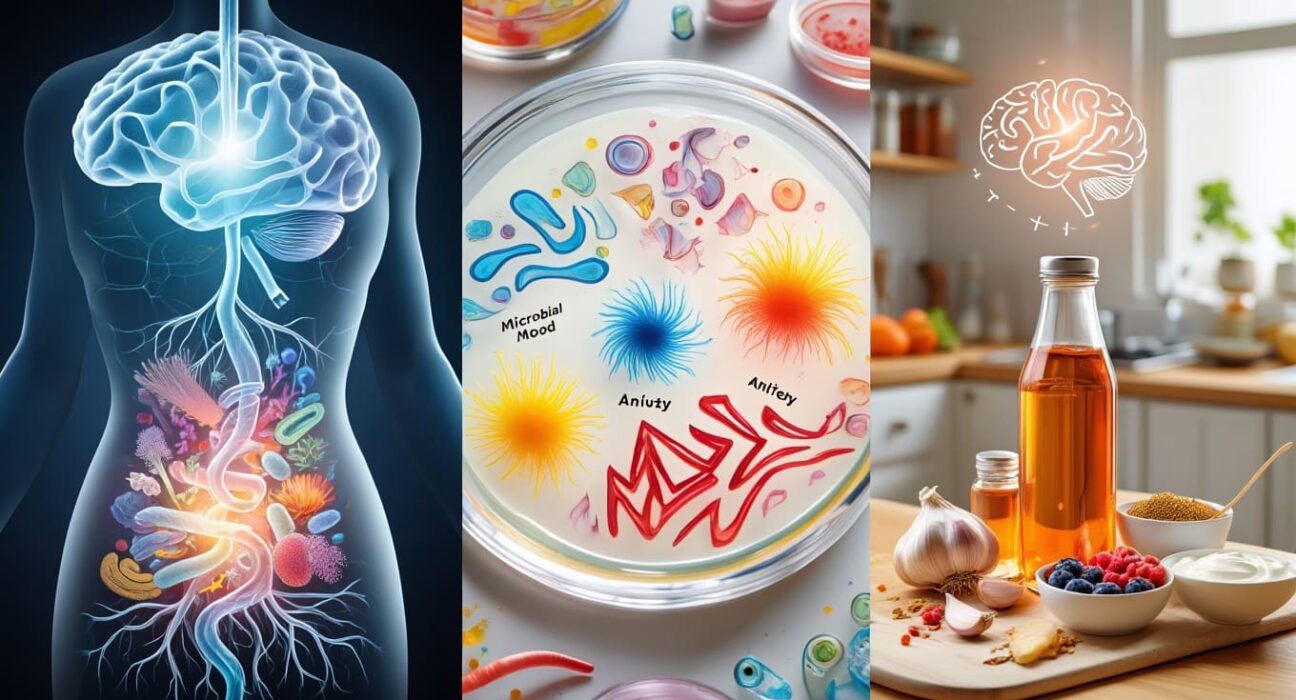
Can Your Gut Really Talk to Your Brain? New Research Explores the ‘Second Brain’ in Your Belly
In a fascinating shift for mental health science, researchers are now looking far beyond the traditional confines of the brain. A new and rapidly evolving field of study is gaining significant attention: the gut-brain axis. This complex, two-way communication network between your digestive system and your brain is changing how experts understand mood, anxiety, and mental well-being.
At the center of this discovery is the gut microbiome, the vast ecosystem of trillions of bacteria, viruses, and fungi living in your intestines. Once thought to merely aid digestion, this microbial community is now recognized as a key player in mental health. Scientists have found it can produce a wide array of neuroactive substances, including a significant portion of the body’s serotonin, often called the “feel-good” neurotransmitter.
How Your Gut Microbiome Influences Your Mind
The connection is not just metaphorical. Your gut and brain are in constant, physical dialogue through multiple pathways:
The Vagus Nerve: This is the primary information superhighway, sending signals directly from the gut to the brain.
Neurotransmitter Production: Gut bacteria manufacture chemicals like serotonin, dopamine, and GABA, which directly affect mood and anxiety levels.
Immune System Signalling: The microbiome influences systemic inflammation. Chronic, low-grade inflammation is increasingly linked to conditions like depression.
Metabolite Production: Gut microbes create short-chain fatty acids and other metabolites that can cross into the bloodstream and affect brain function.
This means the composition of your gut bacteria whether it’s balanced or imbalanced (dysbiotic) can directly influence your stress response, emotional resilience, and even cognitive clarity.
Emerging Evidence and Practical Mental Health Interventions
While the field is still young, the clinical implications are profound. Early studies show promising results.
Specific strains of bacteria, often called Psychobiotics are being studied for their potential to alleviate symptoms of depression and anxiety. For example, certain Lactobacillus and Bifidobacterium strains have shown mood-boosting effects in preliminary human trials.
Nutritional psychiatry is becoming a legitimate adjunct to therapy. Diets rich in fermented foods (like yogurt, kefir, and kimchi), prebiotic fibre (found in garlic, onions, and bananas), and diverse plant foods are shown to promote a healthier, more resilient microbiome, which correlates with better mental health outcomes.
This more extreme procedure, transferring a healthy donor’s gut bacteria to a patient, is primarily used for severe digestive issues. However, researchers are cautiously exploring its potential for certain neurological and psychiatric conditions, observing fascinating shifts in mood and behavior in early case studies.
The Future of Holistic Mental Healthcare
The gut-brain axis research advocates for a more integrated approach to mental health. It suggests that effective treatment may lie not only in talking therapies or traditional medications but also in nurturing the body’s internal ecosystem. Leading researchers now posit that dietary intervention could become a standard, evidence-based part of treating mood disorders within the next decade.
This science empowers individuals with a new form of agency over their mental well-being. By making informed choices about prioritizing fiber, fermented foods, and diversity on your plate, you are not just feeding your body; you are directly cultivating a microbial environment that can support a calmer, more positive, and resilient mind.