One Traffic Death Every 10 Hours Highlights Karachi Accident Crisis
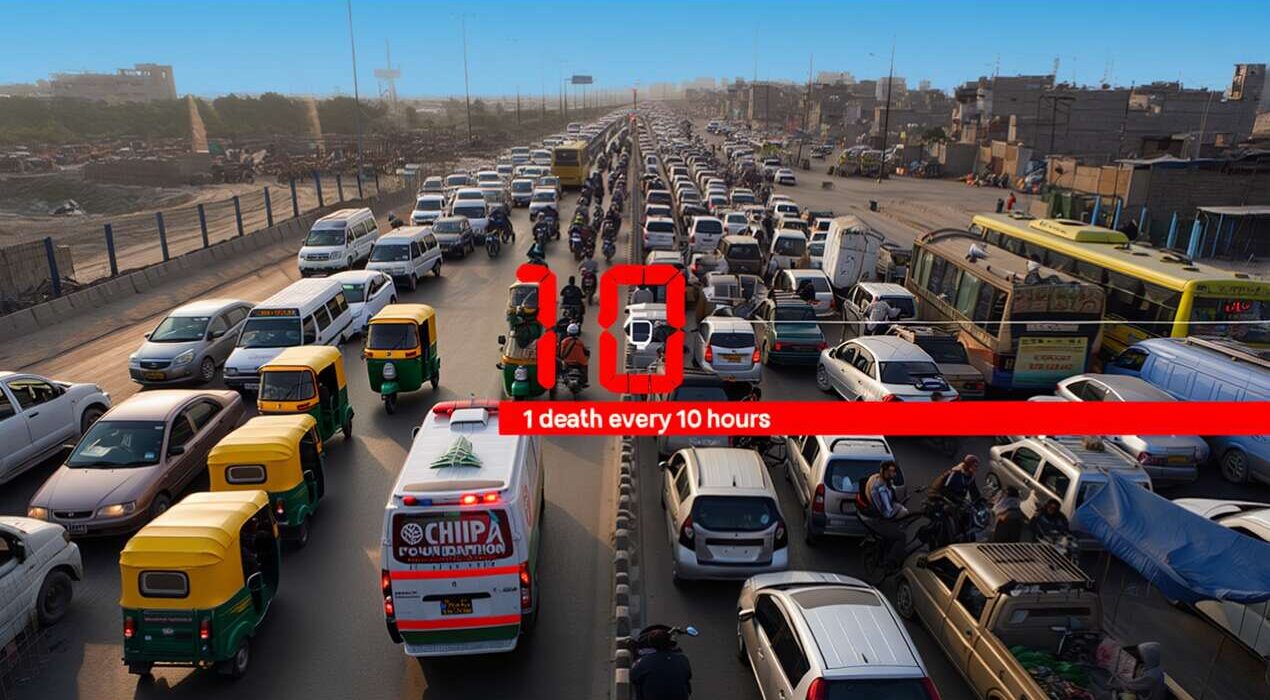
Karachi faced a deadly year as accidents and violence claimed thousands of lives in 2025. New data from the Chhipa Foundation reveals the scale of the Karachi accident crisis. On average, one person died in a traffic accident every 10 hours.
Chhipa Foundation shared these figures while highlighting its continued emergency work. Therefore, the data offers a clear picture of the city’s safety challenges.
Traffic Accidents Lead to Heavy Losses
Traffic accidents caused the highest number of deaths this year. A total of 857 people lost their lives on Karachi’s roads. The victims included men, women, and children from all age groups.
In addition, traffic crashes injured more than 12,000 people. Most victims were men, while women and children also suffered serious harm. As a result, hospitals and rescue services remained under constant pressure.
A blast at a firecracker factory also caused tragedy. Five people died, and 31 others sustained injuries. This incident raised concerns about industrial safety.
Gas cylinder explosions killed 11 people and injured 40 others. Meanwhile, falls from rooftops claimed 76 lives. Roof collapses killed 19 people during the year.
Violence, Electrocution, and Other Tragedies
Karachi also recorded high fatalities from violence and unsafe infrastructure. Shooting incidents killed 419 people and injured over 1,600 others. Therefore, public safety remained a major concern.
Electrocution claimed 133 lives across the city. Open sewers caused 15 deaths, including several children. In addition, drowning incidents killed 85 people.
The foundation reported 91 murders during robbery attempts. Citizens also killed 15 robbers in self-defence incidents. Suicide cases reached 123 this year.
Chhipa also handled hundreds of unclaimed bodies. Many deaths resulted from drug abuse and natural causes. Despite these challenges, Chhipa teams ensured dignified burials.
In conclusion, the Karachi accident crisis highlights an urgent need for safety reforms. Better enforcement and awareness can help save lives.