Nvidia Invests $5 Billion in Intel With Plans for Joint CPU Production
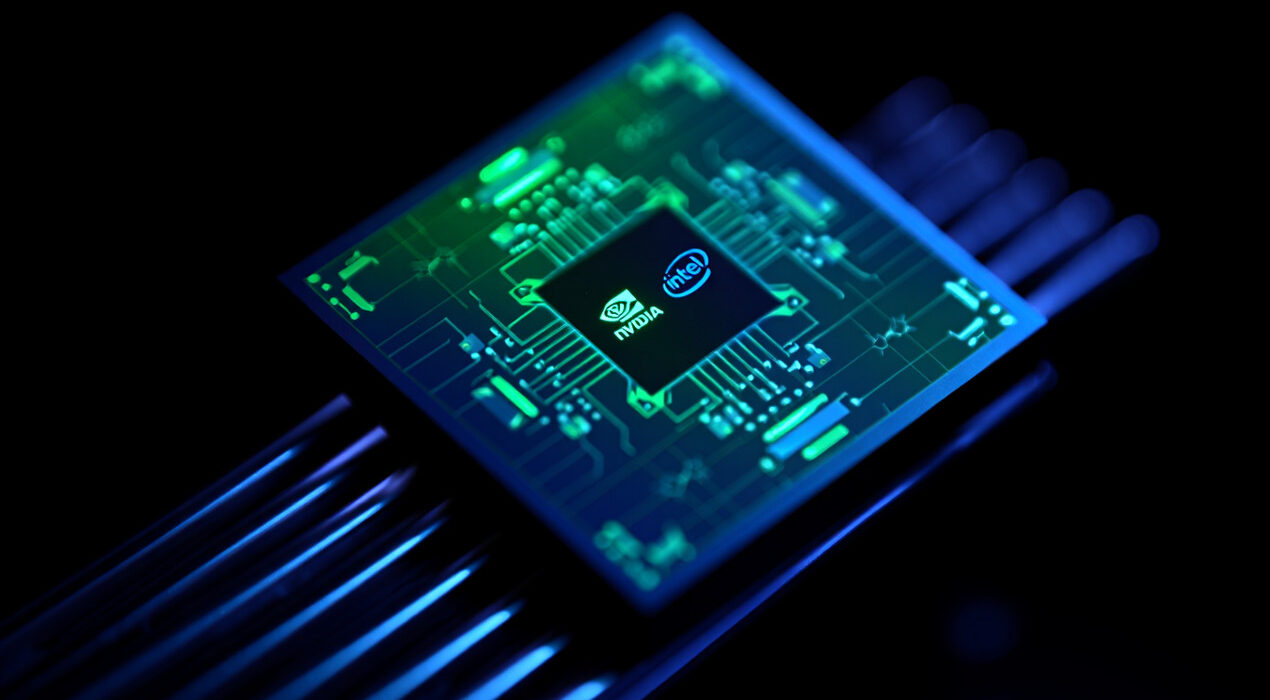
Nvidia has announced a major $5 billion investment in Intel, signaling a rare and strategic partnership between two longtime rivals in the semiconductor industry. The move aims to strengthen advanced chip manufacturing in the United States and reshape how future CPUs are designed and produced.
According to industry sources, the deal includes plans for joint CPU production, combining Nvidia’s expertise in high-performance computing with Intel’s large-scale fabrication capabilities. As a result, both companies hope to reduce reliance on overseas manufacturing and improve supply chain resilience.
A Strategic Shift in the Chip Industry
This investment marks a significant shift for Nvidia, which traditionally relies on third-party foundries like TSMC. However, growing global demand for AI chips and geopolitical pressures have pushed tech giants to rethink production strategies.
Intel, therefore, gains a powerful partner at a critical time. The company has been working to revive its manufacturing leadership through its Intel Foundry Services initiative. Nvidia’s backing adds financial strength and credibility to that effort.
Reports suggest the collaboration will focus on next-generation CPUs designed for AI workloads, data centers, and high-performance computing. In addition, both firms plan to explore advanced packaging and energy-efficient architectures.
What This Means for the Future
For the broader tech industry, this partnership could increase competition and innovation. Analysts believe it may also accelerate domestic chip production in the US, aligning with government efforts to boost local manufacturing.
Meanwhile, investors reacted positively to the news, with Intel shares seeing an early uptick following the announcement. Nvidia, already dominant in AI hardware, further secures its long-term supply strategy.
Although specific production timelines remain undisclosed, both companies confirmed that early development work is already underway. As a result, the first jointly produced CPUs could arrive within the next few years.
Ultimately, this deal highlights how rapidly the semiconductor landscape is evolving. Former competitors are now becoming collaborators, driven by AI growth, supply chain security, and the race for technological leadership.