Genetic Link Between Soybean Oil and Obesity
May Drive Obesity: A Genetic Link
Scientists at UC Riverside discovered a key mechanism. It shows how soybean oil may contribute to obesity. A new study highlights a specific genetic pathway. This research was published in the *Journal of Lipid Research*. It explains significant weight gain in mice fed the oil.
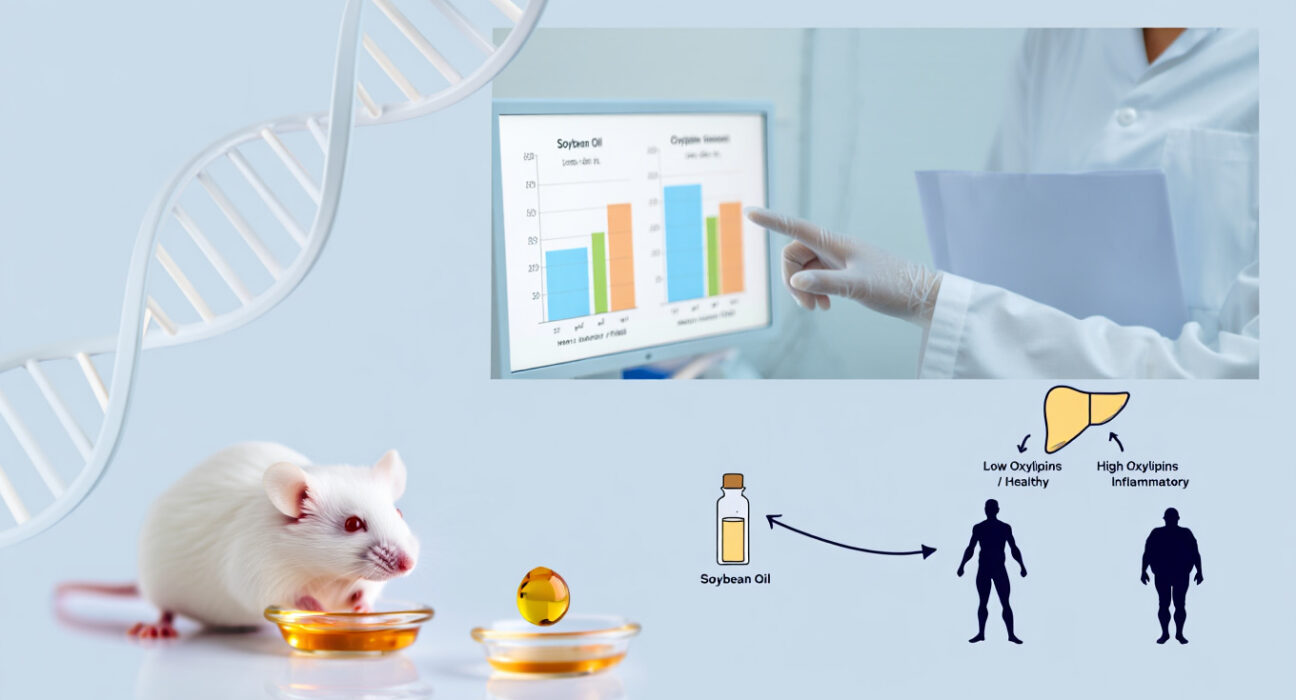
Researchers fed mice a high-fat diet rich in soybean oil. Most mice became obese on this diet. However, a group of genetically modified mice stayed lean. These “transgenic” mice produced a different liver protein. This protein variant is called **HNF4a**.
How the Liver Transforms Oil into Fat
The variant changed how their bodies processed fat. It altered the metabolism of linoleic acid. This is the main fat in soybean oil. Consequently, the issue is not the oil itself. The problem is what the liver creates from it.
Linoleic acid converts into molecules called oxylipins. High levels of certain oxylipins cause inflammation. They also promote fat buildup in the body. The genetically engineered mice had lower oxylipin levels. They also had a healthier enzyme profile. As a result, they maintained better liver function.
Implications for Human Health and Diet
This finding offers a potential clue for human health. “This may be the first step toward understanding why some people gain weight more easily,” said Dr. Sonia Deol. She is the study’s corresponding author. Soybean oil consumption in the U.S. is massive. It accounts for nearly 10% of total calories.
Professor Frances Sladek provided important context. “We’ve known soybean oil is more obesogenic,” she stated. “But now we have the clearest evidence.” The evidence shows it’s the fat’s transformation inside the body. Dr. Deol added a crucial note. “Soybean oil isn’t inherently evil,” she explained. However, we consume it in quantities our bodies cannot handle.