Ukraine Deploys Armed Combat Robot for 45 Days, Signaling Shift in Modern Warfare
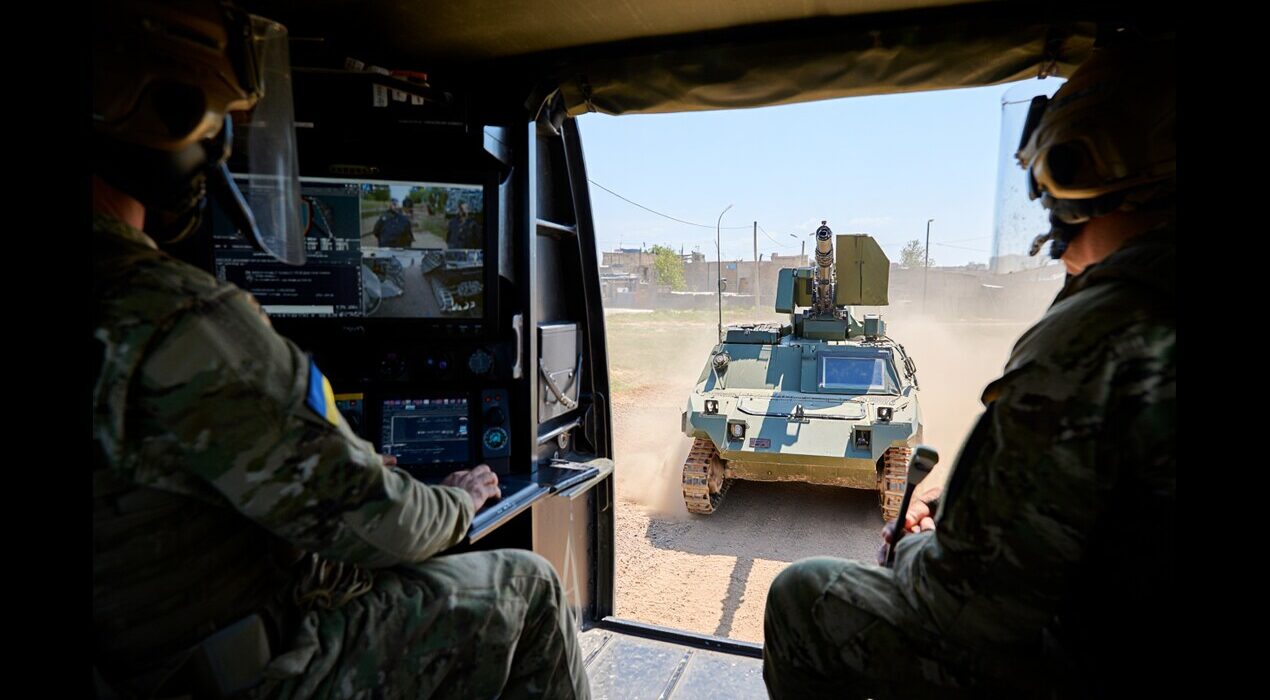
Ukraine has reported a major battlefield milestone involving robotic ground combat. A remote-controlled ground robot, armed with a .50-caliber machine gun, reportedly held off Russian attacks for 45 straight days. As a result, the deployment highlights how machines are increasingly replacing humans at the front line.
The robot operated from fortified positions without any human presence nearby. It remained under remote control from a secure location. Therefore, operators could engage enemy forces while staying out of direct danger. This approach significantly reduced risk to personnel.
During its deployment, the robot carried out several combat roles. These included surveillance, suppression fire, and area denial. In addition, it maintained consistent performance over an extended period. Such endurance marks a notable leap in unmanned ground systems.
Why Robotic Combat Is Gaining Momentum
Military analysts say this case reflects a broader shift in modern warfare. Instead of soldiers absorbing frontline risk, machines now take on the most dangerous roles. As a result, armed forces can preserve human lives while maintaining pressure on opponents.
Ground combat robots offer several advantages. They are cheaper to replace than trained soldiers. They also do not experience fatigue, fear, or stress. Therefore, they can operate continuously in hostile environments.
The 45-day operation also highlights technical progress. Improved power systems allowed sustained use. Meanwhile, secure remote communications ensured reliable control. In addition, the robot showed resilience under combat conditions. These factors make long-term deployment more realistic than before.
Experts believe robotic ground combat will continue to expand. Future conflicts may rely heavily on unmanned systems working alongside human units. This creates a more remote and asymmetric battlefield.
Overall, Ukraine’s deployment sends a clear signal. Land warfare is evolving toward machine-heavy operations. The front line of the future may be fought increasingly by robots rather than soldiers.