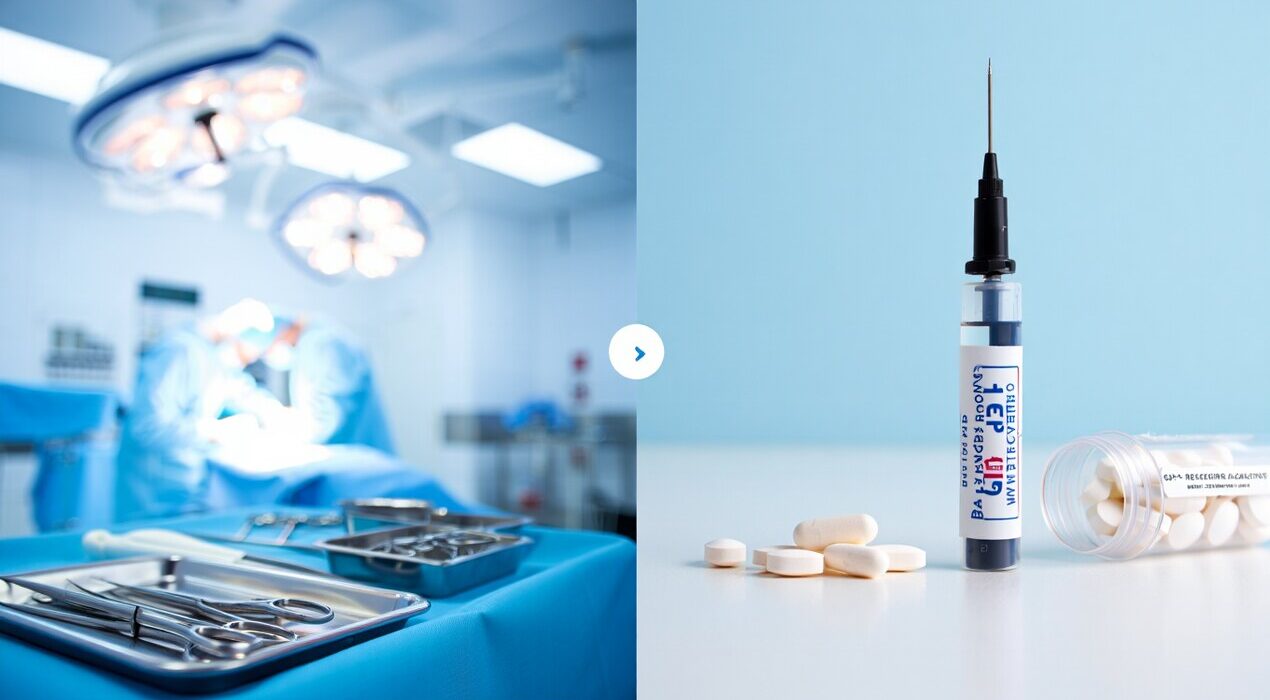
Weight Loss Surgery Beats Ozempic in Real-World Results
Weight loss drugs like Ozempic receive enormous attention. However, new real-world data tell a different story. Researchers compared popular GLP-1 medications with bariatric surgery outcomes. The results clearly favored surgery. The study reviewed health records from more than 50,000 adults. All participants met clinical criteria for obesity treatment. Researchers tracked outcomes for up to two years.
Surgery Produces Far Greater Weight Loss
Patients who underwent bariatric surgery lost about 58 pounds on average. In comparison, people using GLP-1 drugs lost roughly 12 pounds. As a result, surgery delivered nearly five times more weight loss.Even patients who stayed on medication for a full year saw modest results. Their average loss reached only 7 percent. Surgery patients, however, achieved about 24 percent total weight loss.
Drug Results Drop Outside Clinical Trials
Clinical trials often report strong outcomes for GLP-1 drugs. However, real-world use creates challenges. Many patients stop treatment within a year. Side effects, cost, and long-term adherence play major roles.Researchers found that up to 70 percent of patients discontinue GLP-1 therapy early. Therefore, long-term effectiveness often falls short of expectations.
The research team analyzed data from 2018 to 2024. Participants either had bariatric surgery or received semaglutide or tirzepatide. Scientists adjusted results for age, BMI, and health conditions.This approach ensured a fair and balanced comparison across groups.
What This Means for Treatment Choices
GLP-1 medications still help many people lose weight. However, surgery offers stronger and longer-lasting results. Experts suggest patients struggling with medication should consider surgical options.Future studies will explore who benefits most from each treatment. For now, bariatric surgery remains the most effective option available.