Tehran Rial Unrest Enters Day 13 as Economic Anger Spreads Across Iran
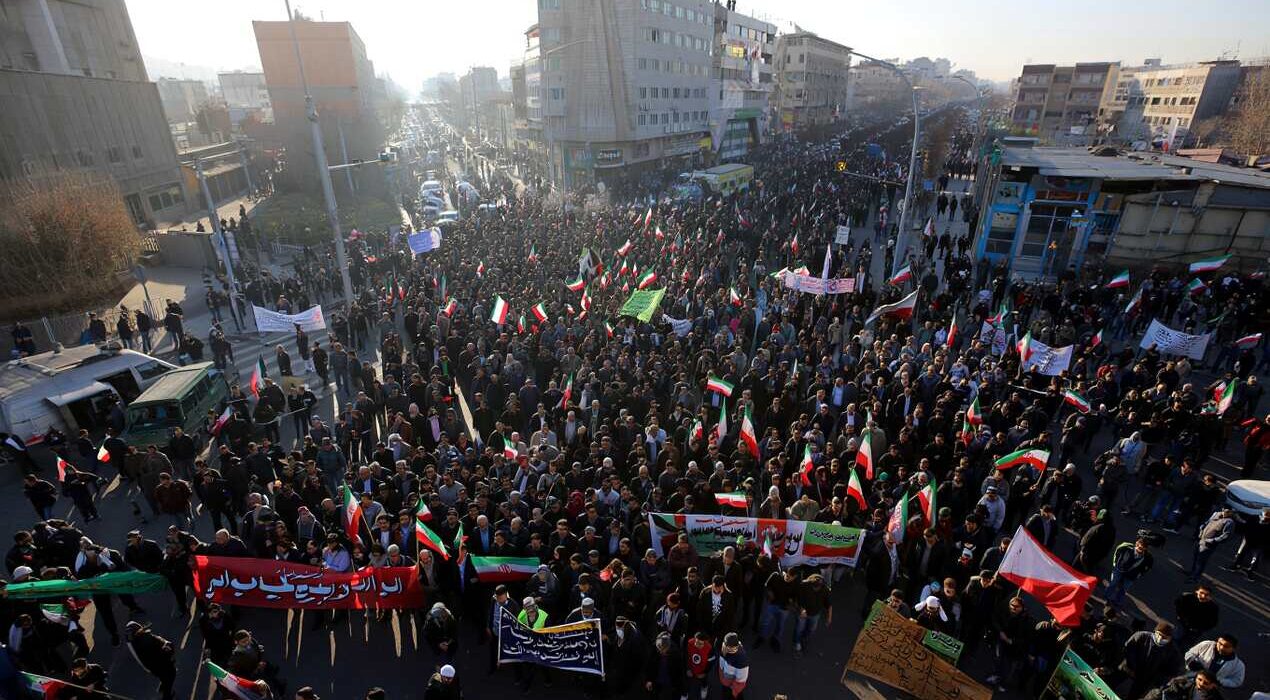
Tehran rial unrest has now reached its thirteenth straight day. Demonstrations first appeared in Iran’s capital on 28 December. People gathered to voice anger over sharp economic decline.
The rapid fall of the national currency triggered widespread frustration. Many families say daily life has become harder. Therefore, public patience has worn thin.
Crowds quickly expanded beyond the capital city. Marches spread to other urban centres. As a result, authorities now face pressure on multiple fronts.
The Demonstrations Continue
The collapsing exchange rate reduced purchasing power. Food, fuel, and housing costs rose fast. However, wages failed to keep pace.
Many people blame long-standing economic policies. Others point to sanctions and mismanagement. In addition, young adults struggle to find stable work.
BBC diplomatic correspondent Caroline Hawley explains the deeper causes. She says public trust weakened after years of financial strain. Therefore, even small shocks now spark strong reactions.
Social media also plays a role. Videos of street gatherings circulate widely. As a result, more citizens feel encouraged to speak out.
Government Response and Public Mood
Security forces increased their presence in several areas. Officials urge calm and warn against disorder. However, many demonstrators say they feel unheard.
Families, students, and workers join the crowds. Their messages focus on dignity and opportunity. In addition, calls for accountability grow louder.
Analysts say the situation remains delicate. Economic recovery will take time. Therefore, tensions may continue without clear reforms.
For now, people watch closely. Each day brings new uncertainty. The coming weeks may shape the country’s political climate.