Govt Plans Export Processing Zone on PSM Land to Boost Exports
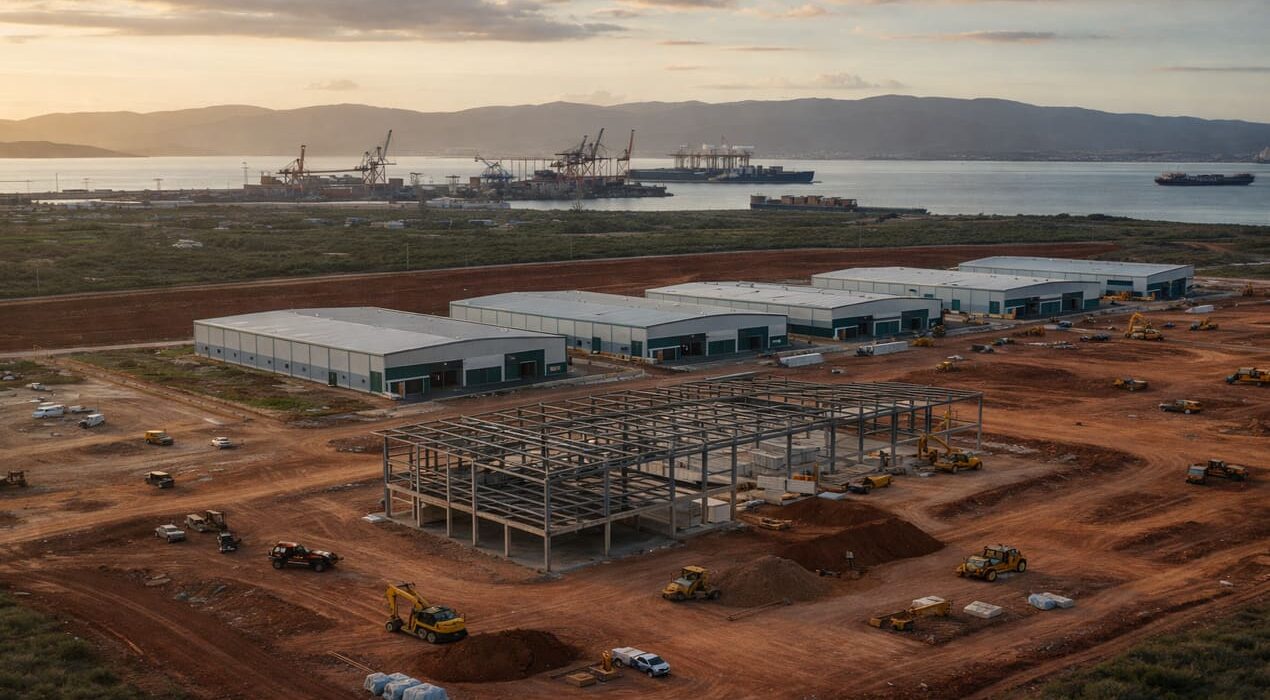
The government plans to develop a 6,000-acre PSM Export Zone on Pakistan Steel Mills land. This move aims to boost exports and strengthen economic growth. As a result, officials expect higher investment and job creation.
Secretary Industries and Production Saif Anjum shared this plan in Karachi. He spoke during a consultative session on export performance. Therefore, the announcement gained strong attention from trade leaders.
Stakeholders Discuss Export Growth Strategy
The Federation of Pakistan Chambers of Commerce and Industry hosted the session. FPCCI President Atif Ikram Sheikh welcomed government officials and business leaders. In addition, Federal Commerce Secretary Jawad Paul chaired the discussion.
Senior TDAP officials and trade bodies also joined the meeting. Together, they reviewed export challenges and future opportunities. As a result, the dialogue remained practical and focused.
FPCCI Highlights Export Challenges and Opportunities
Atif Ikram Sheikh stressed that exports drive economic stability. He praised the government for engaging with the private sector. However, he noted that exporters still face serious hurdles.
High energy costs raise production expenses. Limited access to finance slows business growth. Moreover, exporters struggle with compliance and market diversification.
Despite these issues, Sheikh highlighted strong potential areas. For example, value-added manufacturing can raise export earnings. Similarly, IT services and agro-based industries offer promising growth.
He added that teamwork between policymakers and businesses remains essential. Therefore, consistent coordination can unlock long-term export gains.
Govt Acknowledges Cost and Tax Concerns
The session ended with remarks from Commerce Secretary Jawad Paul. He agreed that energy costs hurt export competitiveness. In addition, he supported facilitative tax measures for exporters.
Sector-wise discussions produced several recommendations. These focused on reducing costs and improving ease of doing business. As a result, participants showed optimism about future export reforms.
Overall, the PSM Export Zone reflects a shift toward export led development. If executed well, it could attract investors and support inclusive growth. Therefore, stakeholders now look forward to timely implementation.