US CDC Reportedly Makes Historic Shift in Child Vaccine Recommendations
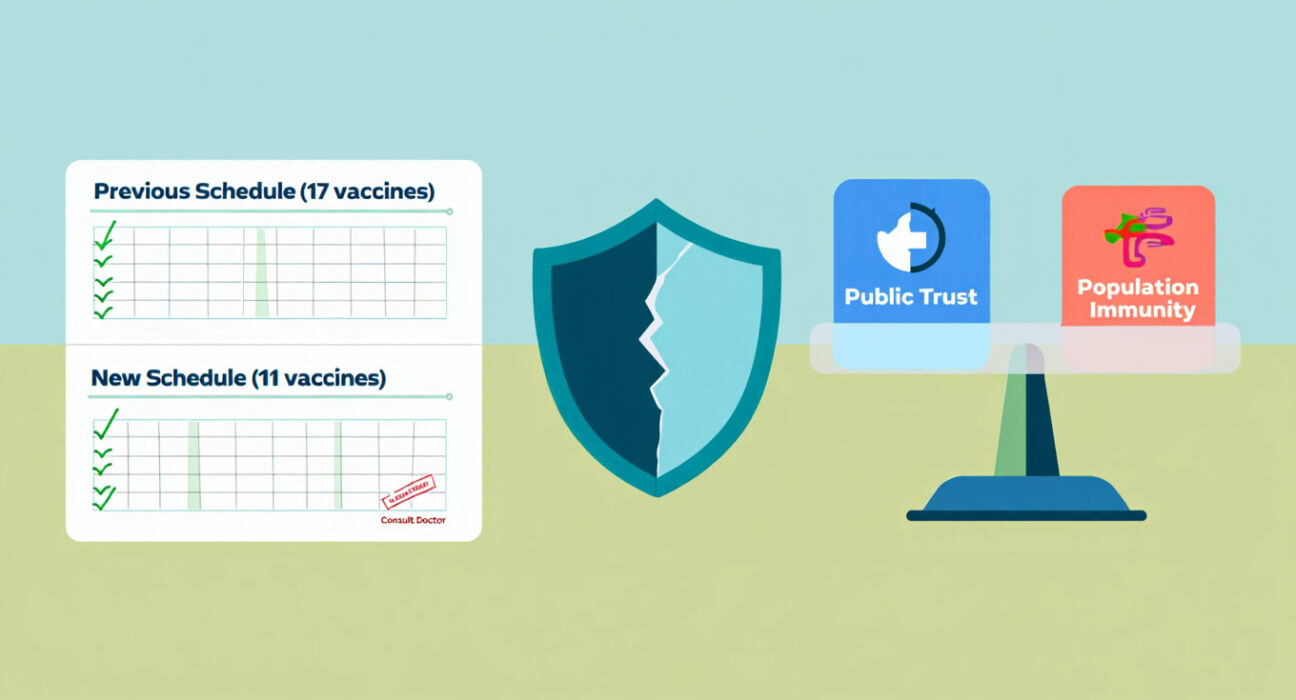
The U.S. Centers for Disease Control and Prevention (CDC) is reported to have made a major revision to its childhood immunization schedule. According to sources, the number of routinely recommended vaccines for children has been reduced from 17 to 11 in a significant policy shift.
Under the new schedule, several vaccines will no longer be universally recommended for all children. Instead, they will be administered through a model of “shared decision-making. This means vaccines for rotavirus, hepatitis A and B, meningitis, and seasonal flu would now be given only to children considered at higher risk or following a detailed consultation between parents and their healthcare provider.
A Move Aimed at Building Public Trust
Officials cited in the report state the change is intended to increase public trust in the immunization program. They emphasized that all vaccines will remain free and available under insurance plans, ensuring continued access. The shift represents a move towards a more personalized approach to vaccination, prioritizing doctor-parent collaboration.
However, the reported changes have sparked immediate debate. Some public health experts have expressed concern, warning that altering core vaccine recommendations without extensive public and scientific consultation could create new health risks for children by lowering community immunity against preventable diseases.
The full implications and official confirmation of these changes from the CDC are awaited.