The Global Metabolic Health Crisis: Why It’s Bigger Than Obesity
Global attention is finally focused on obesity as a major public health challenge. However, scientific breakthroughs and new medications reveal a deeper issue. We are facing a global metabolic health crisis that extends far beyond weight alone.
Over 1 billion people live with obesity, a condition linked to nearly 200 diseases. While new GLP-1 medications like Ozempic are groundbreaking, they treat a symptom, not the root cause. The true challenge is poor metabolic health, which silently affects millions, including many of normal weight.
Obesity is a Biomarker, Not the Root Cause
Focusing solely on obesity obscures the real problem. Obesity is one visible outcome of underlying metabolic dysfunction. In the United States, more than 40% of adults with a normal BMI are metabolically unhealthy. They face significant risks despite not being overweight.
Metabolic health is determined by key indicators: blood glucose, body composition, blood pressure, and lipid levels. When these are dysregulated, they drive chronic inflammation and insulin resistance. These are the true engines of cardiovascular disease, cancer, cognitive decline, and other chronic illnesses.
The Hidden Dangers of Invisible Fat
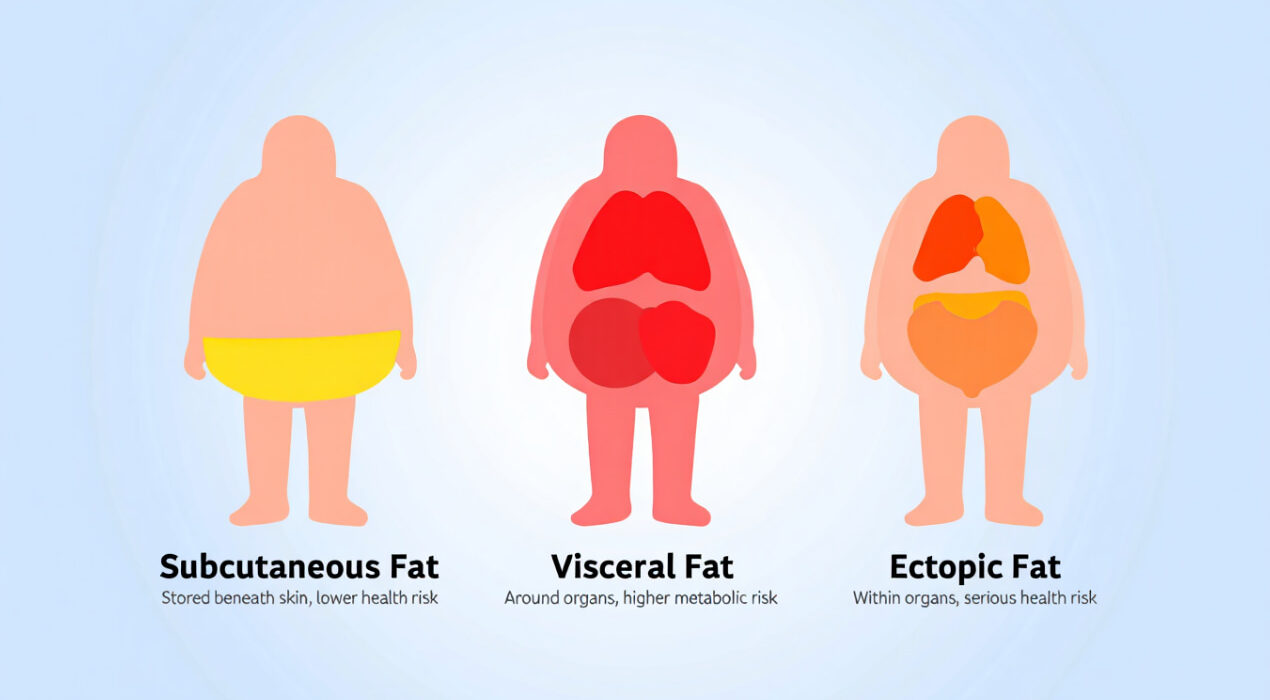
Poor metabolic health doesn’t always mean excess weight. Body fat exists in three types, with two being particularly dangerous:
1. Visceral Fat: Fat stored around internal organs, linked to insulin resistance and heart disease.
2. Ectopic Fat: Fat stored in organs like the liver and heart, strongly associated with diabetes and stroke.
High levels of these invisible fats can occur without significant weight gain. A narrow focus on obesity and BMI completely misses these at-risk individuals, leaving them without diagnosis or intervention.
A Systemic Failure Driven by Misaligned Incentives
Metabolic health is shaped by diet, activity, stress, sleep, and environment. Responsibility has unfairly fallen on individuals, while systemic failures persist across sectors.
The economic burden is unsustainable. The root cause is decades of misaligned incentives: healthcare systems profit from treating sickness, not preventing it. Food companies are rewarded for sales volume, not nutritional quality. Government subsidies often support crops that contribute to metabolic dysfunction.
Momentum for Change is Building
Despite the challenges, powerful signals indicate a shift is underway:
Government Action: Movements like “Make America Healthy Again” and lawsuits targeting ultra-processed foods signal increasing scrutiny.
Consumer Empowerment: Apps like Yuka provide instant nutritional data, driving demand for healthier products.
A Booming Wellness Economy: Valued at **$6.8 trillion**, it surpasses tourism and sports, fueling innovation in personalized health tech.
Blueprint for a Healthier Future: Sector-by-Sector Solutions
Progress requires coordinated action across all industries that influence our health:
1. Raising Industry Standards: The UK’s salt-reduction program proved that collective action across food companies can improve population-wide health outcomes like blood pressure.
2. Product Re-engineering: Forward-thinking food companies are quietly improving the nutritional profile of their products, making healthier choices the default.
3. Data-Driven Healthcare: Advanced systems, like Abu Dhabi’s intelligent health model, link clinical, genetic, and lifestyle data to enable predictive, preventive care.
4. Regenerative Agriculture: Healthy soil produces more nutritious food. Investing in regenerative farming improves both metabolic and planetary health.
A Call for Collective Action
Tackling the metabolic health crisis requires all of us. Strong regulations, bold business innovation, and empowered consumers must work together. Change is inevitable. The question is not if, but how quickly we can align our systems to prioritize true health over sickness.