Jadoon UN Remarks Warn of Indus Basin Water Security Risks
Pakistan has warned that India’s recent actions pose serious risks to regional water security. These Jadoon UN remarks were delivered at a global water policy roundtable in New York. The comments focused on shared river governance and legal responsibility.
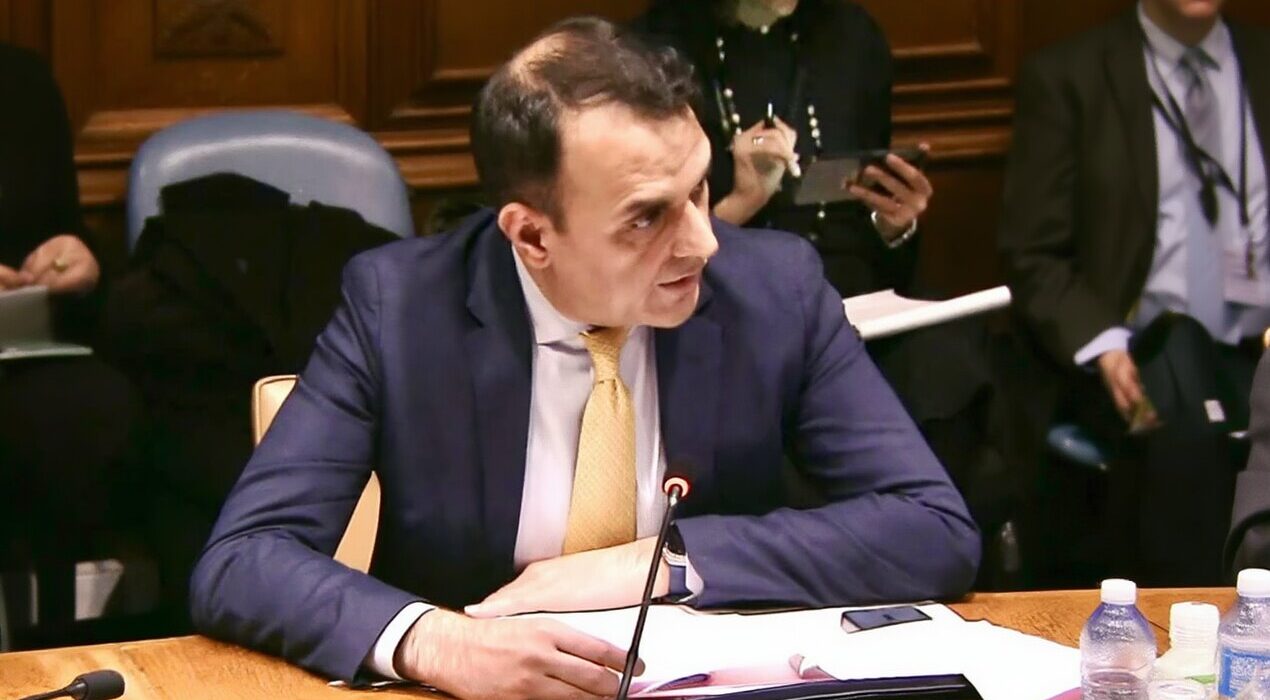
Pakistan’s Acting Permanent Representative to the United Nations, Ambassador Usman Jadoon, addressed diplomats and policy experts at the forum. The event was hosted by Canada’s Permanent Mission and the United Nations University. He used the platform to present Pakistan’s concerns clearly and directly.
Jadoon stated that the river-sharing agreement remains legally binding. He stressed that no country can suspend or alter it on its own. Therefore, respect for international law remains critical.
Treaty Dispute and Regional Stability
Ambassador Jadoon criticised India’s decision to place the agreement in abeyance. He said the move damages trust between neighbouring states. According to him, water should never become a political weapon.
He explained that unannounced disruptions in downstream water flows create uncertainty. In addition, withholding hydrological data reduces transparency. As a result, communities dependent on river water face growing risks.
The agreement has guided river management for more than six decades. It supports over 80 percent of Pakistan’s agricultural water needs. Moreover, it sustains the livelihoods of more than 240 million people.
Jadoon emphasised that shared rivers demand cooperation and predictability. He noted that transparent systems reduce conflict. Strong agreements, he added, promote long-term stability.
Water Insecurity and Global Cooperation
Jadoon described water insecurity as a global systemic risk. It affects food production, energy systems, public health, and livelihoods. Climate change continues to intensify these challenges worldwide.
Pakistan faces floods, droughts, glacier melt, and groundwater depletion. Rapid population growth adds further pressure on water systems. However, the country is actively strengthening resilience.
For example, Pakistan is investing in flood protection and irrigation rehabilitation. Initiatives such as Living Indus focus on ecosystem restoration. Recharge Pakistan also supports groundwater replenishment.
Jadoon said no country can manage shared river basins alone. He urged cooperation ahead of the 2026 UN Water Conference. Water security, he concluded, must unite nations rather than divide them.