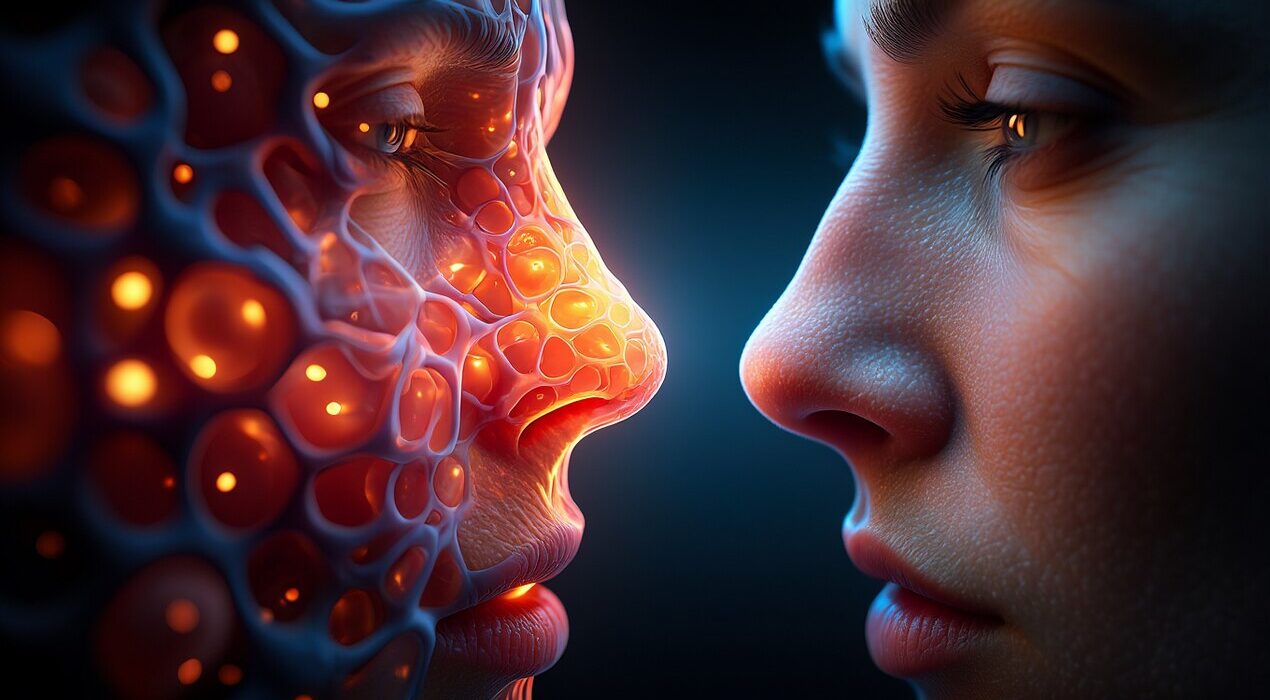
Your Nose Knows: New Study Reveals Why Colds Hit Some People Harder
Nasal Cells: Your First Defense Rhinovirus causes most colds. It enters your nasal passages. However, your lining cells immediately work together. They activate strong antiviral defenses. This early response is crucial. It decides if you get sick. A new study in Cell Press Blue explains this process. Therefore, your body’s reaction matters more than the virus itself.
A Lab-Model of Your Nose
Scientists needed to see this battle clearly. For example, they built living human nasal tissue in a lab. They grew stem cells for four weeks. This process created a realistic airway lining.The model included mucus-producing cells and cilia. These tiny hairs move particles out. Consequently, this setup gave an accurate view of human response.
The Critical Early Warning System
The research shows a powerful defense. Nasal cells release interferons upon detecting the virus. These proteins signal nearby cells. They activate antiviral shields.This fast, coordinated response can stop the virus early. In fact, it may prevent symptoms altogether. If this response is slow, the virus spreads easily. As a result, it causes inflammation and breathing issues.
When Defenses Fail
The virus can trigger a harmful second response if it multiplies. Cells then produce excess mucus and inflammation signals. This leads to familiar cold symptoms.Targeting these pathways could lead to future treatments. The goal is to reduce symptoms while supporting your natural defenses.This model has limits. Real human airways have more cell types and immune help. Future work will explore these factors.Ultimately, your body’s swift reaction is key. A quick nasal response can mean the difference between a mild sniffle and a severe cold.