Vires Upheld Ruling Confirms Super Tax by FCC
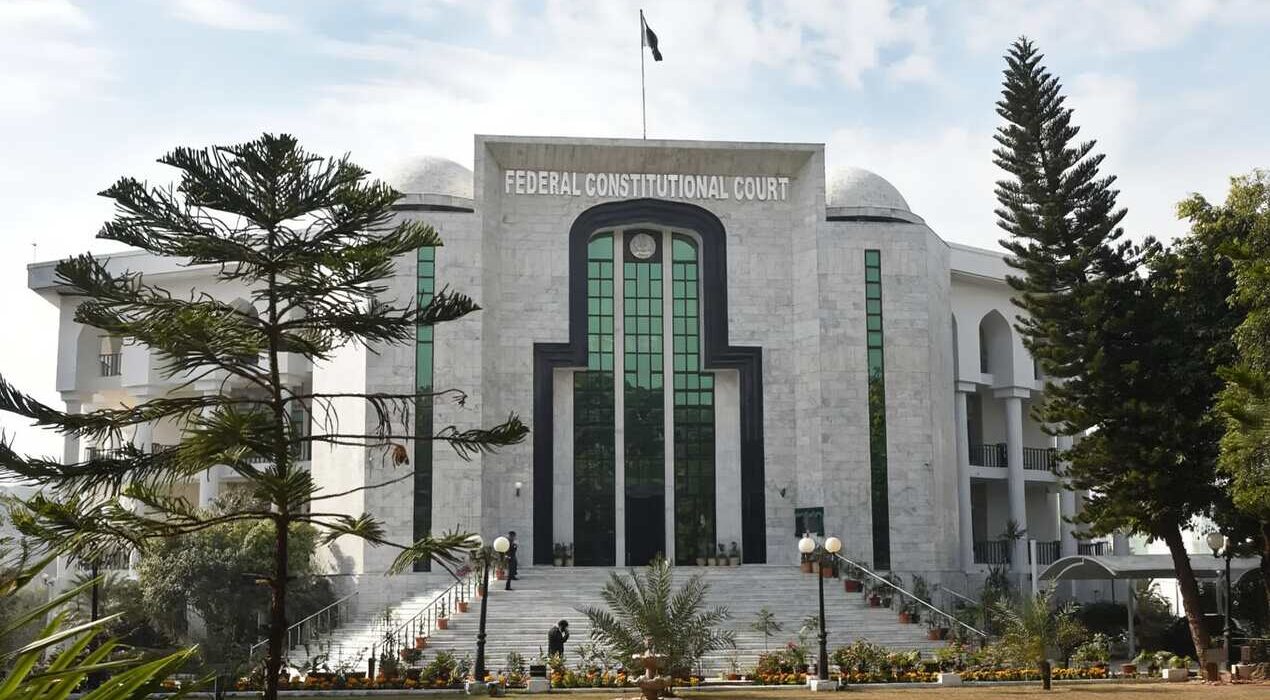
The Federal Constitution Court delivered a vires upheld ruling on Tuesday with major fiscal impact. The court confirmed Parliament’s authority to impose the super tax. As a result, the levy remains legally valid from its original enforcement dates.
The decision applies to Sections 4-B and 4-C of the Income Tax Ordinance, 2001. Therefore, taxpayers must comply with the prescribed rates. The court announced the short order after a brief hearing.
FCC Confirms Legality of Super Tax
A three-member bench heard the long-pending matter. Chief Justice Aminuddin Khan led the bench. Justice Syed Hasan Azhar Rizvi and Justice Syed Arshad Hussain Shah also took part.
The court issued the short order in the afternoon. Earlier, it reserved the verdict during the morning session. The judges stated that a detailed judgment would follow later.
Senior counsel Hafiz Ahsaan Ahmad Khokhar represented the Revenue Division secretary. He stated that the ruling settled over 2,200 pending cases. As a result, the decision protects nearly Rs310 billion in public revenue.
The court also rejected earlier high court judgments. Those rulings had termed the levy
discriminatory. However, the FCC held that the tax complied with constitutional requirements.
Scope, Background, and Limited Relief
The government first introduced the levy in 2015. The policy aimed to fund rehabilitation after Operation Zarb-i-Azb. It targeted high-earning individuals, associations, and companies.
Banking companies face a higher rate than other sectors. Over time, the government expanded the scope. In 2022, it applied the levy to individuals earning over Rs150 million.
The court allowed limited relief for oil and gas exploration firms. These companies may seek exemptions from tax commissioners individually. However, the levy does not apply to mutual funds, unit trusts, or mudarabah entities. Overall, the vires upheld ruling strengthens fiscal authority and ensures revenue continuity.