Trump Raises US Tariffs on South Korea Imports to 25%
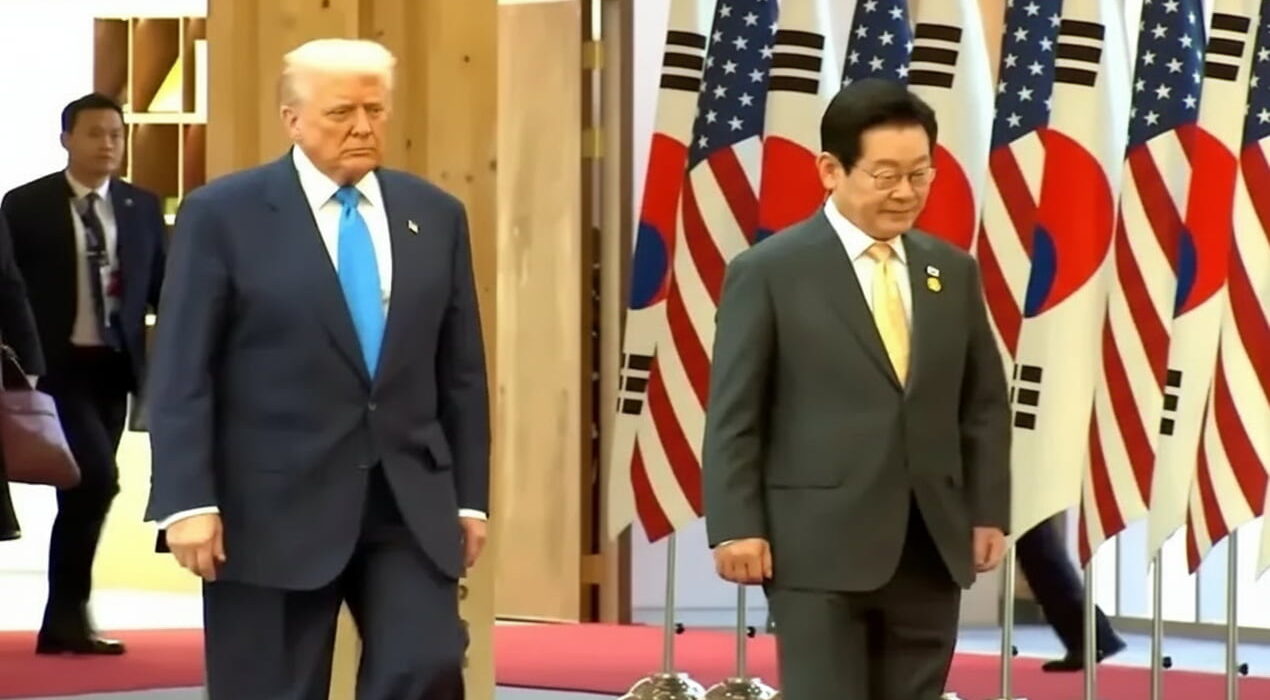
US President Donald Trump has announced higher trade penalties on South Korean goods. The decision raises US tariffs South Korea imports to 25%. Trump shared the update on social media. He accused Seoul of failing to meet commitments from a trade deal signed last year.
However, South Korean officials say they received no formal notice. As a result, Seoul has requested immediate discussions with Washington.
Which Products Face Higher Tariffs
The tariff increase applies to several major sectors. These include automobiles, lumber, pharmaceuticals, and other traded goods. Previously, tariffs stood at 15% across these products. Therefore, the new rate marks a sharp jump for US importers. Trump argued that US authorities moved quickly on their obligations. Meanwhile, he said South Korea delayed approving the agreement.
Markets React but Recover Quickly
Financial markets reacted swiftly after the announcement. Shares in Hyundai and Kia dropped as much as 6% early on. However, losses narrowed by the end of the session. Both stocks closed only about 1% lower. In addition, South Korea’s Kospi index reversed early declines. It ended the day up 2.7%, calming investor concerns.
Why Investors Remain Cautious
Analysts believe markets doubt whether the tariffs will take effect. For example, Trump recently reversed similar threats against European partners. A South Korean delegation is now heading to Washington. As a result, investors view the move as pressure rather than a final decision. South Korea’s Industry Minister Kim Jong Kwan plans urgent talks. He will meet US Commerce Secretary Howard Lutnick soon.
Background Of The Trade Deal
The two countries reached a major agreement last October. South Korea pledged $350bn in US investments, including shipbuilding projects. Later, the US agreed to lower some tariffs once South Korea began approval steps. The deal is now under review in Seoul’s parliament. Lawmakers submitted the agreement in late November. Local media expect approval as early as February.
Tariffs are paid by US companies importing goods. Therefore, American firms will bear the higher costs directly. Trump has frequently used tariffs to push foreign policy goals. Recently, he threatened Canada over potential China trade ties. Earlier threats against Nato allies over Greenland also caused strain. Although Trump later backed down, tensions lingered