Scientists Uncover Critical Link: How Skin Psoriasis Triggers Damaging Joint Arthritis
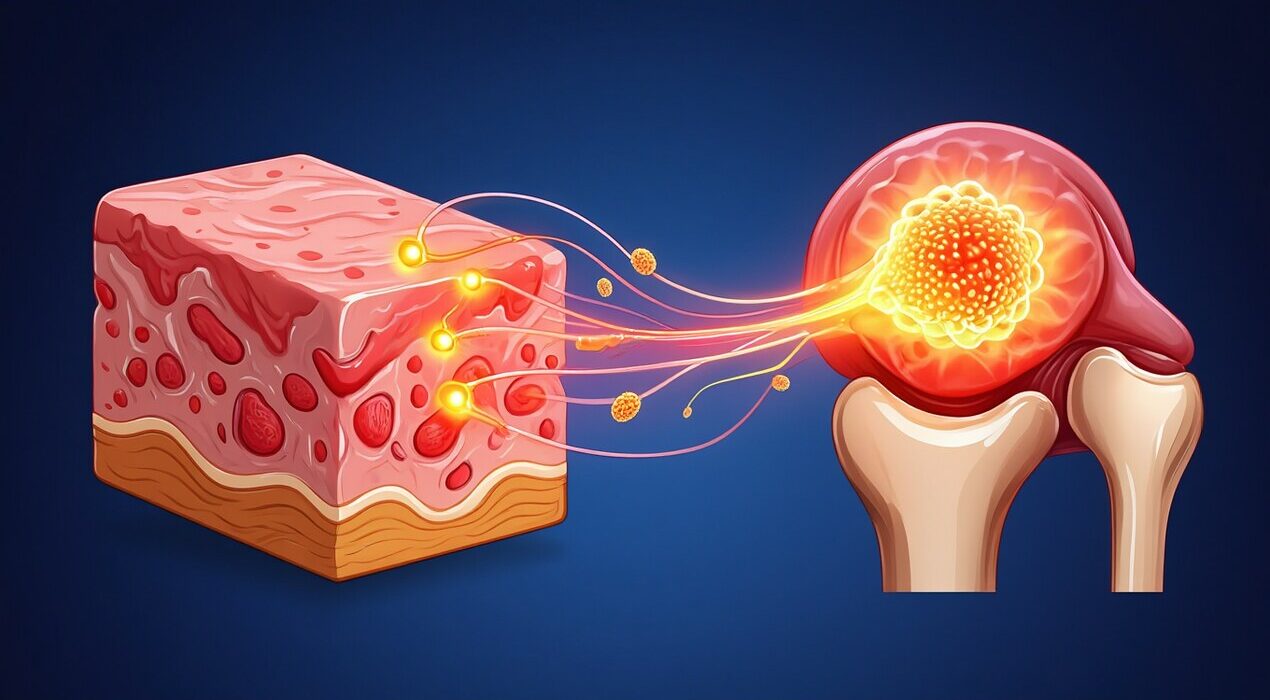
Researchers have solved a major medical mystery. They now understand how psoriasis can develop into painful joint disease. This discovery is a significant breakthrough for millions of patients. The process involves a hidden journey of immune cells. Specifically, these cells form within inflamed, psoriatic skin patches.
The Cellular Journey from Skin to Joints
These specialized cells can enter the bloodstream. From there, they travel throughout the body. Eventually, they can settle in the joints, such as those in fingers or knees.However, not every psoriasis patient experiences this. The key difference lies in the joint tissue itself. Healthy joints can typically neutralize or control these incoming cells.In some individuals, this control system fails. Therefore, the arriving immune cells become activated. As a result, they trigger a new wave of inflammation directly inside the joint.
Implications for Early Warning and TreatmentThis insight is crucial for future care. Doctors may soon identify patients at highest risk early. For example, they could monitor for specific cells in the blood.Early detection allows for proactive treatment. Consequently, this could prevent irreversible joint damage before it starts. Patients could maintain better mobility and quality of life.In addition, this finding redirects therapeutic research. New drugs could aim to block the cells’ journey or their activity in joints. This targeted approach promises more effective treatments with fewer side effects.
A Hopeful Future for Patients
Ultimately, this research transforms our understanding of psoriatic arthritis. It shifts the focus from separate conditions to one connected disease process. This holistic view is vital for comprehensive care. The research team is now developing practical clinical tools. Their goal is to turn this laboratory discovery into real-world diagnostic tests. The future of managing this complex condition looks much brighter.