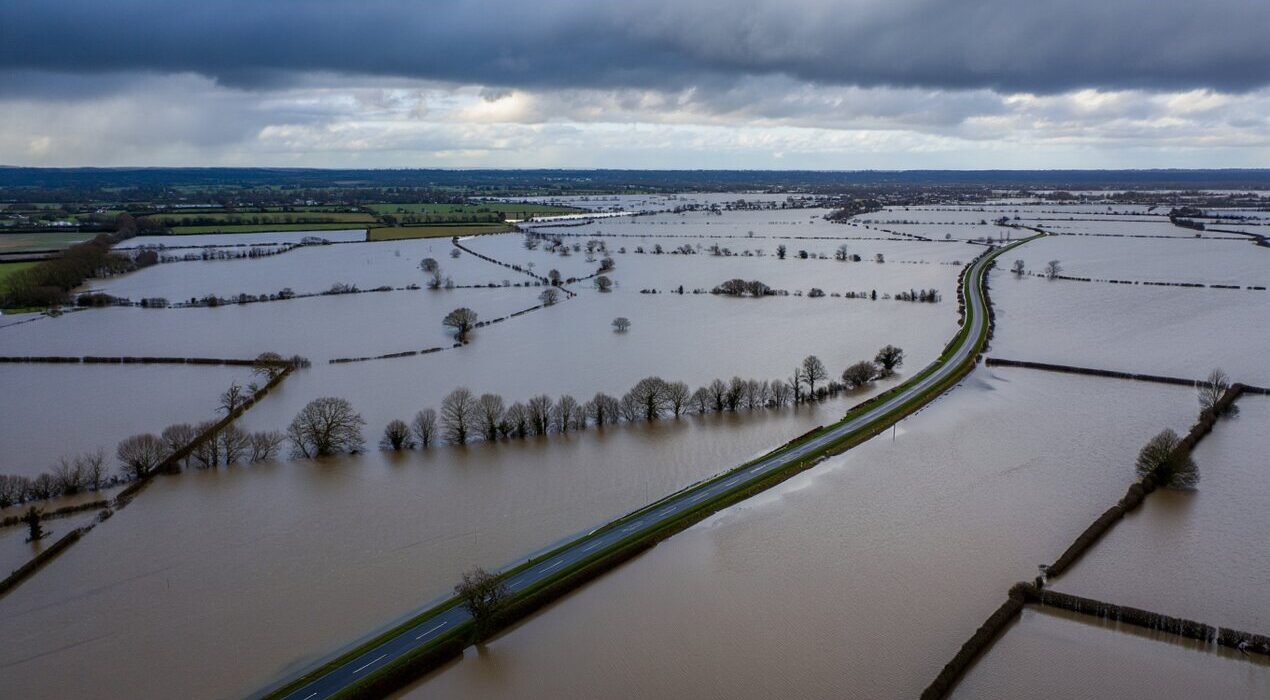
England Flood Warnings Rise as Heavy Rain Continues Across Regions
England flood warnings have risen after several days of nonstop rainfall. As a result, many communities now face growing flood risks. Local authorities urge residents to stay alert.
England Flood Warnings Increase After Heavy Rain
On Sunday morning, officials recorded 88 flood warnings and 223 alerts. Most warnings appear in the south-west and the Midlands. However, Scotland has only four warnings, and Wales has none. Therefore, England remains the most affected region. Emergency teams continue to monitor rivers and drainage systems. In addition, councils prepare for possible evacuations. People in low-lying areas receive advice to protect homes. For example, they move valuables to higher levels. Many also check weather updates daily.
More Rain Expected Next Week
Rainfall will likely continue into the coming week. The Met Office has issued a yellow rain warning for Monday. This alert covers south-west England and parts of south Wales.
The warning runs from midday until late night. As a result, travel delays and surface flooding may occur. Drivers should plan routes carefully. Weather experts say the region has seen unusual rainfall this year. In fact, rain has fallen every day of 2026 in some areas. Therefore, soil remains saturated. South-west England and south Wales now record 50% more rain than average. Consequently, rivers fill faster than normal.
Even short storms can cause flooding.
Communities continue to adapt to these conditions. Some residents use sandbags and water barriers. Others rely on local flood alerts for safety. Officials stress the importance of preparation. People should check emergency kits and insurance policies. In addition, they should follow official guidance. Despite the challenges, many neighbors support each other. Volunteers help clear drains and share updates. This teamwork reduces risks.
England flood warnings highlight the impact of changing weather patterns. Therefore, experts call for long-term planning. Stronger systems may protect future generations.