Why Climate Strategies Must Embed Education at Their Core
Effective national climate action requires more than just technology and policy. It demands a fundamental shift in public understanding and behavior. Therefore, embedding education at the heart of climate strategies is not optional—it is foundational. Education is the engine for building societal-wide climate literacy. It equips citizens with the knowledge to understand the crisis and the skills to contribute to solutions. Consequently, it transforms climate goals from government mandates into a shared public mission.
Moving Beyond Awareness to Capacity Building
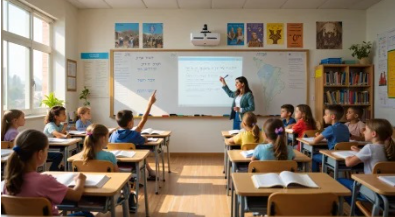
This integration must go beyond raising awareness in science classes. It requires embedding climate education across all subjects and levels, from primary school through lifelong learning. Curricula should foster systems thinking, critical analysis of misinformation, and practical skills for green jobs. Vocational and higher education must align with the needs of a green economy. This creates a trained workforce for renewable energy, sustainable agriculture, and circular design. Ultimately, it builds the human capacity required to implement technical climate solutions.
Fostering Resilience and Democratic Engagement
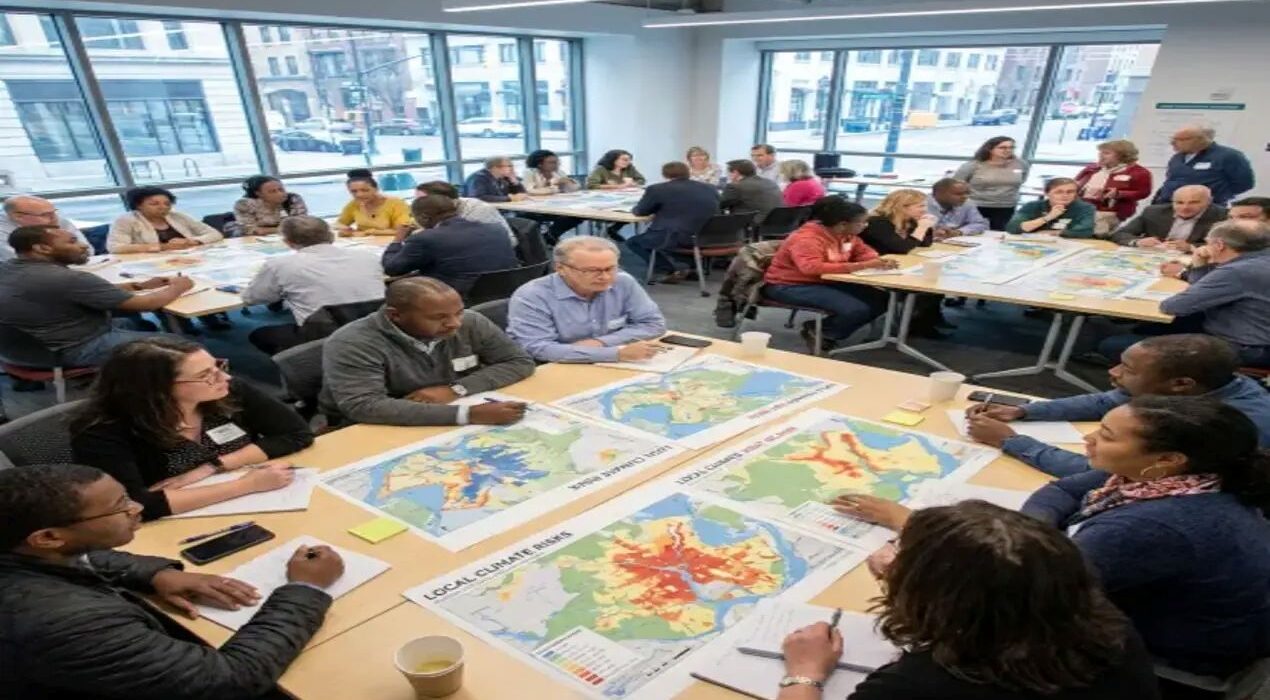
Climate education also builds social and emotional resilience. It helps communities understand local risks and adaptation strategies, reducing vulnerability. Furthermore, an informed public is essential for democratic support of long-term policies and for holding leaders accountable. By making education a central pillar, nations invest in long-term cultural change. This creates a virtuous cycle where educated citizens drive innovation and demand stronger action. In the end, a climate strategy without an education strategy is built on unstable ground.