Ozempic Weight Loss Results: Impressive Results, Big Questions Remain
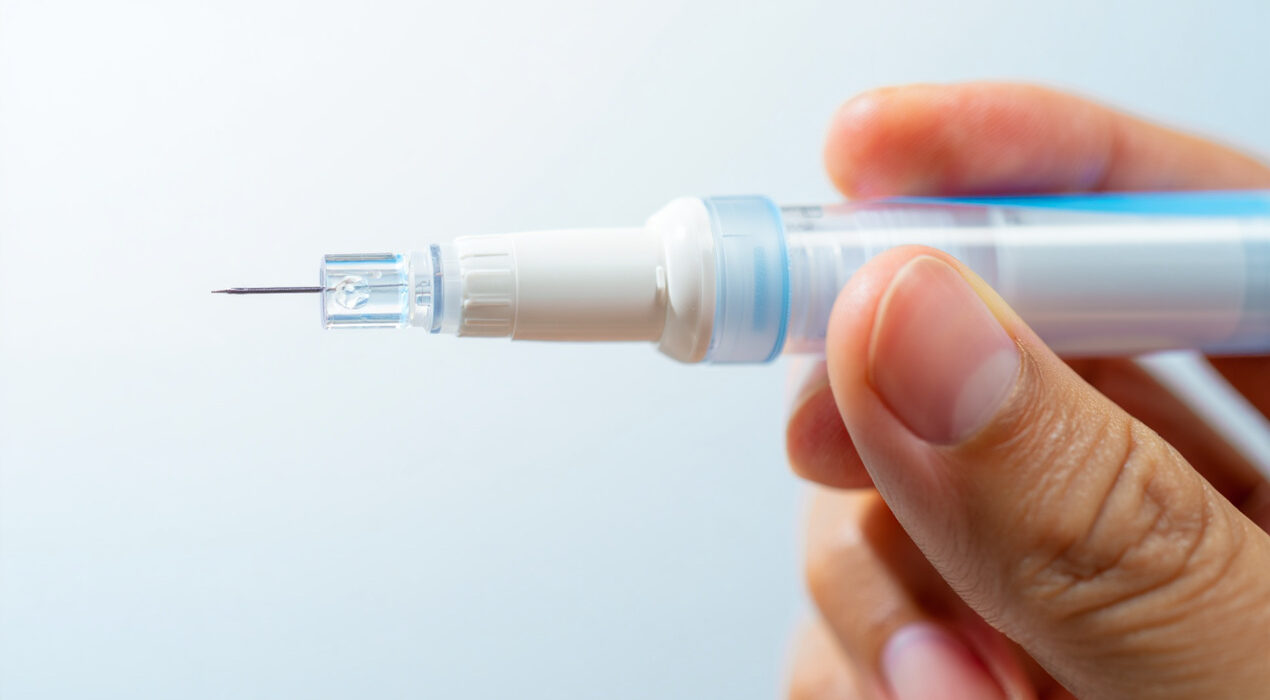
Weight loss drugs like Ozempic are making headlines. And for good reason. These medications help people shed significant pounds. Some patients lose up to 16 percent of their body weight. However, three new Cochrane reviews raise important questions. The World Health Organization commissioned these reports. They will help shape global obesity treatment guidelines.
What the Research Shows
Researchers analyzed three popular GLP-1 drugs. These include tirzepatide, semaglutide, and liraglutide. All three produced greater weight loss than placebo. Tirzepatide led the pack with about 16 percent weight reduction. Semaglutide followed at roughly 11 percent. Liraglutide showed more modest results of 4 to 5 percent. These effects can last as long as patients take the medication. Unfortunately, side effects are common. Nausea and digestive issues top the list.
The Hidden Concerns
Here is the catch. Most studies received funding from drug manufacturers. These companies also helped design and run the trials. Therefore, conflicts of interest remain a serious concern. Independent research is urgently needed. Long-term safety data is also limited. We simply do not know what happens after years of use. In addition, weight often returns once patients stop treatment.
Access and Equity Issues
High prices currently block access for many patients. Semaglutide and tirzepatide remain expensive. Liraglutide is now more affordable due to generic versions. Most trials took place in high-income countries. Africa, Central America, and Southeast Asia were largely excluded. This matters because body composition and diet vary worldwide. Without careful planning, these drugs could widen health disparities.
These medications offer real hope for people with obesity. However, we need more independent, long-term research. The WHO will use these findings to create new global guidelines. Until then, patients and doctors must weigh the benefits against the unknowns.