Machine Eye Reflex System Reacts Faster Than Human Brain
An international research team has developed a powerful machine eye reflex that reacts to danger faster than the human brain. Scientists from China, Britain, Hong Kong, Saudi Arabia, and the United States collaborated on the breakthrough.
The system mimics how humans process visual threats. Instead of analyzing every detail, it detects sudden motion first. Then it processes additional information afterward. As a result, machines respond almost instantly to unexpected movement.
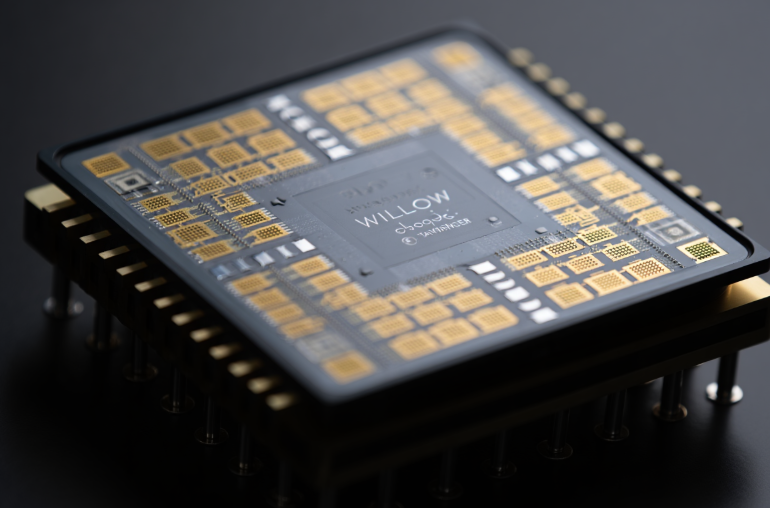
At the center of the technology sits a specialized chip. Researchers designed it to act like a motion-sensitive eye. It ignores static distractions and focuses only on moving objects. Impressively, the chip can detect motion in just 100 microseconds. That speed exceeds human reaction time. In addition, the chip stores data for hours. It can run thousands of cycles without slowing down. Rather than sending all visual data to a processor, it forwards only critical motion signals. Therefore, computer vision software works more than 10 times faster than traditional systems.
Faster Than Current AI Models
Laboratory tests delivered striking results. The system processed motion four times faster than current algorithms. Under ideal conditions, it even reacted faster than humans.
This advancement could reshape autonomous technology. Self-driving cars, drones, and industrial robots depend on rapid decision-making. A faster reflex system could reduce accidents and improve safety. However, the innovation remains in the research phase. Engineers must refine it before large-scale deployment. Even so, the machine eye reflex signals a major step toward smarter and safer autonomous machines.