Childhood Cancer Survival Rate Below 30% in Pakistan, Experts Sound Alarm
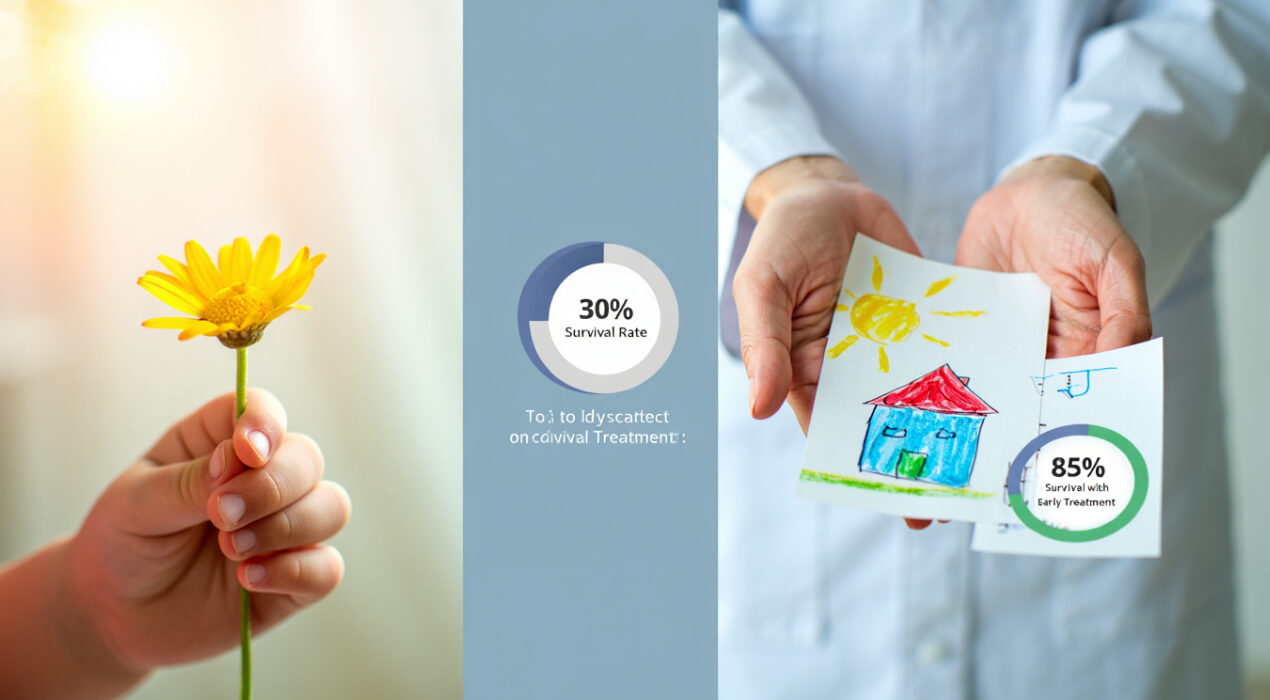
A devastating reality faces children with cancer in Pakistan. Fewer than 30 percent of those diagnosed survive the disease. This stands in stark contrast to survival rates of 80 to 85 percent in developed nations.
Health experts shared these alarming figures at an awareness session in Islamabad. The event was jointly organized by the Indus Hospital and Health Network. It highlighted a crisis that claims thousands of young lives each year.
Around 10,000 children are diagnosed with cancer annually in Pakistan. Globally, nearly 400,000 children and adolescents suffer from cancer. About 80 percent of cases occur in low and middle-income countries.
Why Survival Rates Are So Low
Several factors combine to create this tragic outcome. Delayed diagnosis is the primary culprit. Symptoms are often missed or misunderstood by families and even healthcare providers.
Limited treatment facilities pose another major barrier. Specialized cancer centers are few and far between. Families must often travel long distances for care they cannot afford.
Financial difficulties lead to treatment abandonment. Even when diagnosis occurs, families run out of money. The cost of chemotherapy, surgery, and radiotherapy is simply too high.
Dr Naeem Jabbar, a Consultant Pediatric Hematology-Oncology, explained the gap. “Unlike adult cancers, the majority of childhood cancers have no clearly defined cause,” he stated. They are not linked to lifestyle factors. With timely treatment, cure rates can reach up to 85 percent.
The shortage of trained specialists compounds the problem. Insufficient supportive care means complications are harder to manage. Every link in the chain is weak.
Most Common Childhood Cancers
The types of cancer affecting Pakistani children are well-documented. Leukemia leads the list of diagnoses. Lymphoma, brain and spinal tumors also feature prominently.
Bone tumors and soft tissue sarcomas are common. Neuroblastoma, Wilms tumor, and retinoblastoma complete the list. All are treatable with early intervention and proper care.
Treatment options exist and are effective when started on time. Chemotherapy, surgery, and radiotherapy are all available. The challenge is access, not medical capability.
One Hospital’s Efforts
The Pediatric Hematology-Oncology Department in Karachi offers a glimpse of hope. It receives around 1,000 new cases each year. Since 2014, more than 16,000 children have been treated there. Currently, approximately 1,300 children are undergoing treatment.
Dr Shumail Ashraf, Executive Director of Medical Services, shared these numbers. They represent thousands of families fighting for their children’s lives. They also represent the immense pressure on limited facilities.
A Call to Action
Experts at the session issued an urgent appeal. Early diagnosis saves lives. This simple truth must drive a national awareness campaign.
Parents must learn to recognize early warning signs. Teachers need training to spot symptoms in students. Healthcare providers require better education and resources. The media has a powerful role in spreading this message.
The goal is clear. Every child deserves an equal chance at life. With timely and appropriate treatment, that chance is real. The gap between Pakistan and developed nations can be closed. It will take awareness, investment, and commitment from all sectors of society.