Student Learning Shift brings back classes with flexible education plans
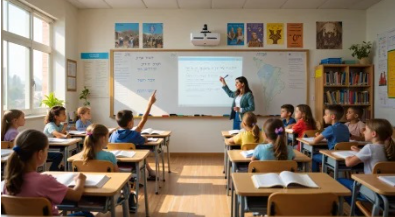
The Student Learning Shift shows a clear return to offline classes across many institutions. Schools and universities are reopening campuses with regular schedules. As a result, students can enjoy a more structured and engaging learning environment.
However, policies may still change due to fuel or economic challenges. Authorities continue to review the situation and adjust plans when needed. Therefore, students should remain flexible and stay updated with official announcements.
Return to classroom learning
Most institutions now focus on in-person teaching for better results. Teachers can guide students directly and answer questions quickly. For example, classroom discussions improve understanding and build confidence.
At the same time, schools remain prepared for sudden changes. They may adjust timings or switch methods if conditions worsen. In addition, some institutions still offer hybrid options to ensure continuity.
Students should check updates from their schools regularly. This habit will help them stay prepared and avoid confusion. As a result, they can manage their studies more effectively.
Focus on future-ready education
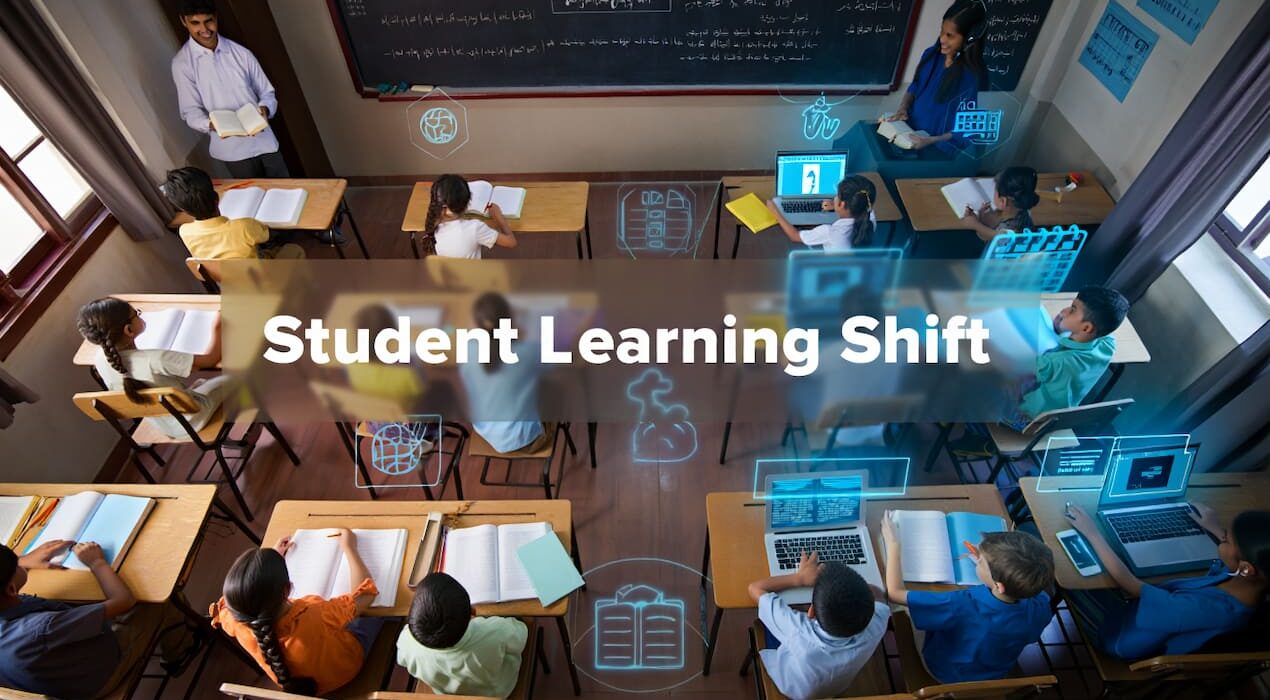
Education systems now give strong attention to digital learning readiness. Schools are improving online tools and training teachers. Therefore, students can use both digital and classroom methods with ease.
Access to education also remains a top priority. Authorities aim to include students from all backgrounds. For example, flexible learning options support those in underserved areas.
International collaboration is also increasing in importance. Universities are building global partnerships and exchange programs. As a result, students may gain valuable international exposure.
Overall, the Student Learning Shift reflects a balanced and modern approach. It supports both traditional learning and future-ready skills.