Heavy Part-Time Work Japan: Student Study Time Declines Amid Rising Costs
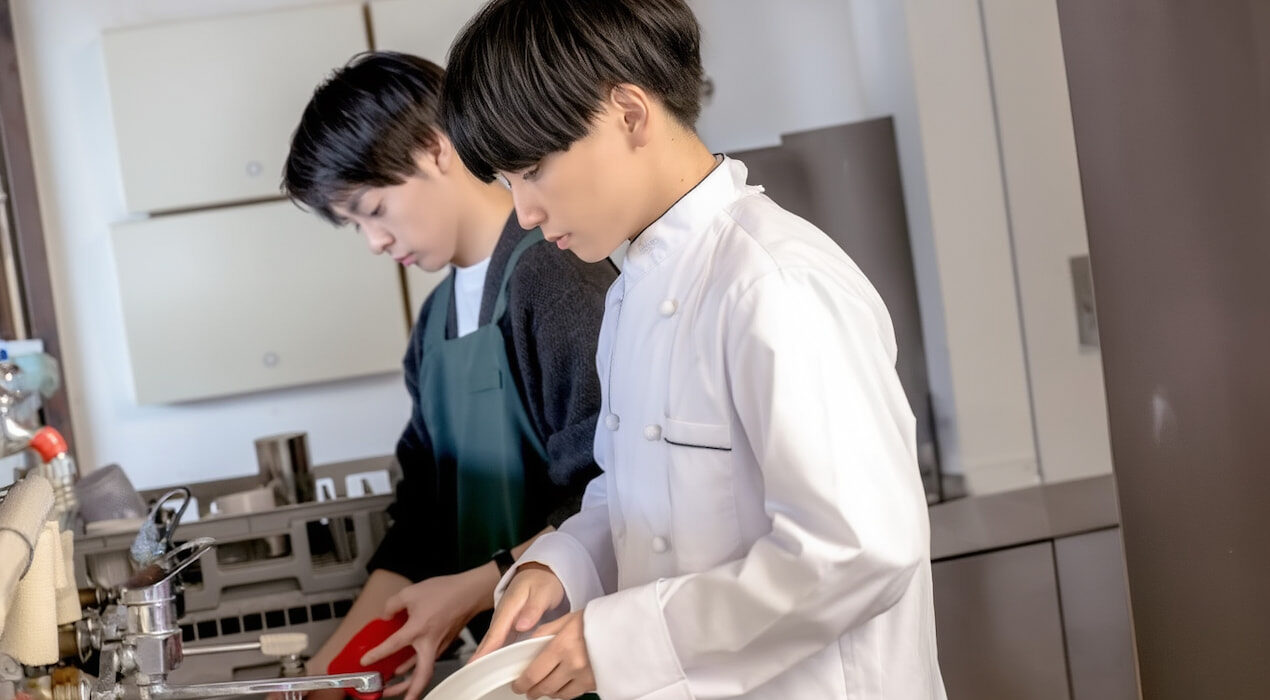
Heavy part-time work Japan is changing student routines across universities. Rising living costs push many students into longer work hours. As a result, they spend less time studying and reading.
A recent survey shows that 77% of students now hold part-time jobs. This number has increased beyond pre-pandemic levels. Meanwhile, spending on books has dropped below ¥1,000 per month.
Work Hours Reduce Study Time
Students who work more than 23 hours each week often skip studying. In fact, many report zero minutes of daily reading. However, students with fewer work hours show better study habits.
As working hours increase, study time decreases. For example, students working less than seven hours study more regularly. In addition, they spend more time reviewing lessons and preparing for classes.
A clear divide is also emerging. Some students avoid reading completely. Others continue to read for an hour or more each day.
Financial Pressure Shapes Student Life
Experts say rising costs drive this shift. Emi Sakamoto from Cardiff University links the trend to long-term financial pressure. Therefore, many students struggle to balance work and education.
Heavy workloads also affect focus and learning quality. Students lose time for reflection and critical thinking. As a result, academic performance may suffer.
However, some experts see benefits in part-time work. Jeremy Breaden from Monash University notes that work builds useful life skills. Similarly, Sayaka Oki from the University of Tokyo believes students remain productive, often using AI tools to manage tasks.
Social life is also changing. Many students spend little time with friends. This pattern began during Covid-19 and still continues.