Education Technology Shift Transforms Global Learning and Skills
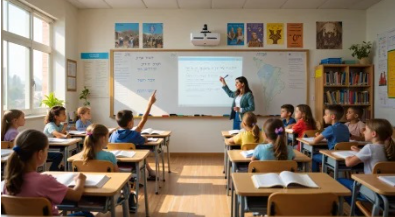
The education technology shift is changing how people learn across the world. Schools now use digital tools and focus on practical skills. As a result, students experience more engaging and flexible learning environments.
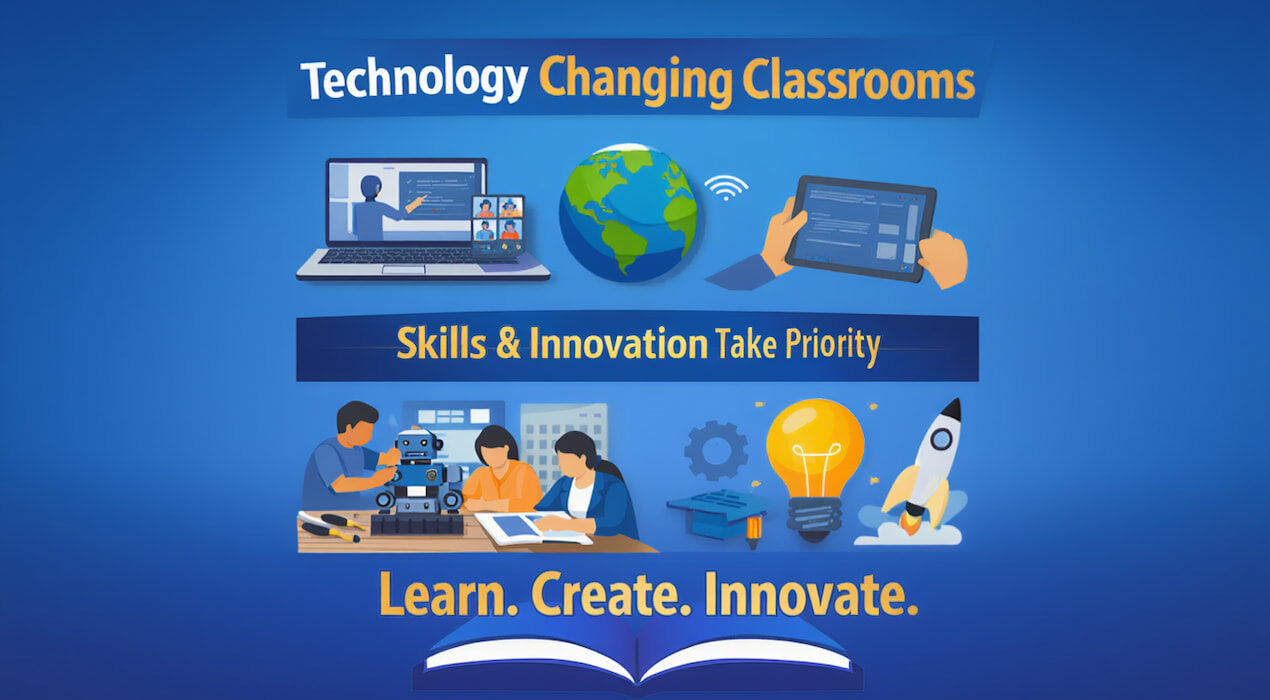
Technology Changing Classrooms
Technology now plays a central role in modern education. For example, students attend virtual classes and use online platforms daily. In addition, teachers create interactive lessons using smart tools.
This approach allows students to learn anytime and anywhere. Therefore, education is no longer limited to traditional classrooms. However, access to technology still varies across regions. Many students in remote areas face limited digital access. As a result, they struggle to keep up with new learning methods. Governments and organisations must work together to close this gap.
Skills and Innovation Take Priority
Education systems now focus more on skills than memorisation. Critical thinking, communication, and problem-solving are key priorities. In addition, schools encourage creativity and innovation. Students often complete projects and real-world tasks. For instance, they collaborate with classmates to solve problems. Therefore, they gain experience that prepares them for future careers.
This shift helps learners become more confident and adaptable. However, it also requires teachers to adopt new teaching methods. As a result, training and support for educators remain important. Overall, the education technology shift is reshaping global learning systems. It promotes inclusion, innovation, and skill development. Therefore, education is becoming more relevant in a rapidly changing world.