Pakistan Diplomatic Role: Ceasefire Success Highlights Global Influence
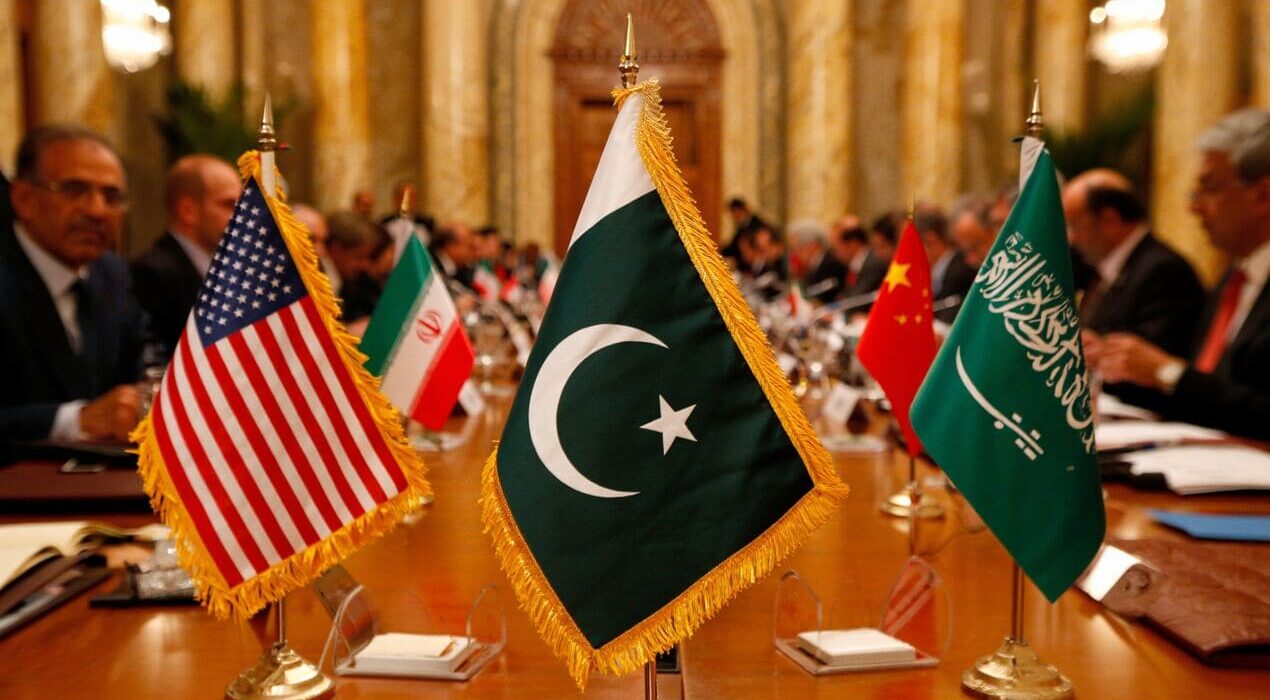
Pakistan’s diplomatic role has gained fresh attention after it helped secure a major ceasefire. Islamabad acted quickly during rising tensions between global powers. As a result, leaders across the world praised its timely intervention.
The government chose a balanced approach. It avoided siding with any one country. Instead, it opened quiet channels for dialogue. Therefore, Pakistan once again proved its value as a mediator.
A History of Quiet Mediation
Pakistan has played this role before. For example, in 1971, it helped the United States and China reconnect. Henry Kissinger used Pakistan as a secret route to Beijing. This effort led to Richard Nixon visiting China in 1972.
That meeting changed global politics. It improved relations between two major powers. In addition, Pakistan showed it could build trust in difficult times.
Years later, Pakistan helped shape the Geneva Accords. These talks supported the Soviet withdrawal from Afghanistan. Pakistan worked closely with both global and regional players.
Gains, Costs, and Question
However, these efforts brought serious challenges. Pakistan hosted millions of Afghan refugees for years. It also faced rising crime and instability. As a result, the long-term impact affected its society.
The pattern continued with the Doha Agreement. Pakistan supported talks between the US and the Taliban. However, security threats later increased within its borders.
So, many still ask an important question. Did Pakistan gain enough from these efforts? Some experts see limited returns. Others highlight its growing global importance.
In conclusion, Pakistan continues to shape key moments in world politics. Its diplomatic role remains vital. However, the true rewards remain open to debate.